Elevator Guide Shoe Replacement: How to Choose the Right Elevator Guide Shoe
Elevator guide shoes are important components of elevator guidance systems. They are installed on the elevator car and counterweight to guide their movement along the guide rails, helping maintain smooth, stable, and reliable elevator operation.
During long-term operation, elevator guide shoes may experience friction, material wear, deformation, or damage caused by continuous movement and improper adjustment. Worn guide shoes can contribute to increased noise, vibration, and uneven elevator travel.
For elevator maintenance companies, engineering contractors, and spare parts distributors, choosing the correct elevator guide shoe replacement is essential for maintaining equipment performance and reducing maintenance costs.
- Identify the Original Elevator Guide Shoe Model
The first step in purchasing a replacement elevator guide shoe is identifying the original product model.
Different elevator manufacturers and elevator systems use different guide shoe structures and installation designs. Products that look similar may have different mounting dimensions or performance characteristics.
Before requesting a quotation, buyers should prepare:
- Original guide shoe model or part number
- Elevator manufacturer and model
- Elevator car or counterweight application
- Guide rail specifications
- Original manufacturer information
- Clear photographs of the existing guide shoe
If the original model number is unavailable, detailed photographs and dimensional measurements can help suppliers identify a suitable replacement. - Choose Between Sliding Guide Shoes and Roller Guide Shoes
Elevator guide shoes are generally divided into two main categories: sliding guide shoes and roller guide shoes.
Sliding Guide Shoes
Sliding guide shoes use sliding contact between the guide shoe lining and elevator guide rail. They are commonly used in various elevator systems and are available with different lining materials.
Important considerations include friction characteristics, wear resistance, lubrication requirements, and dimensional compatibility.
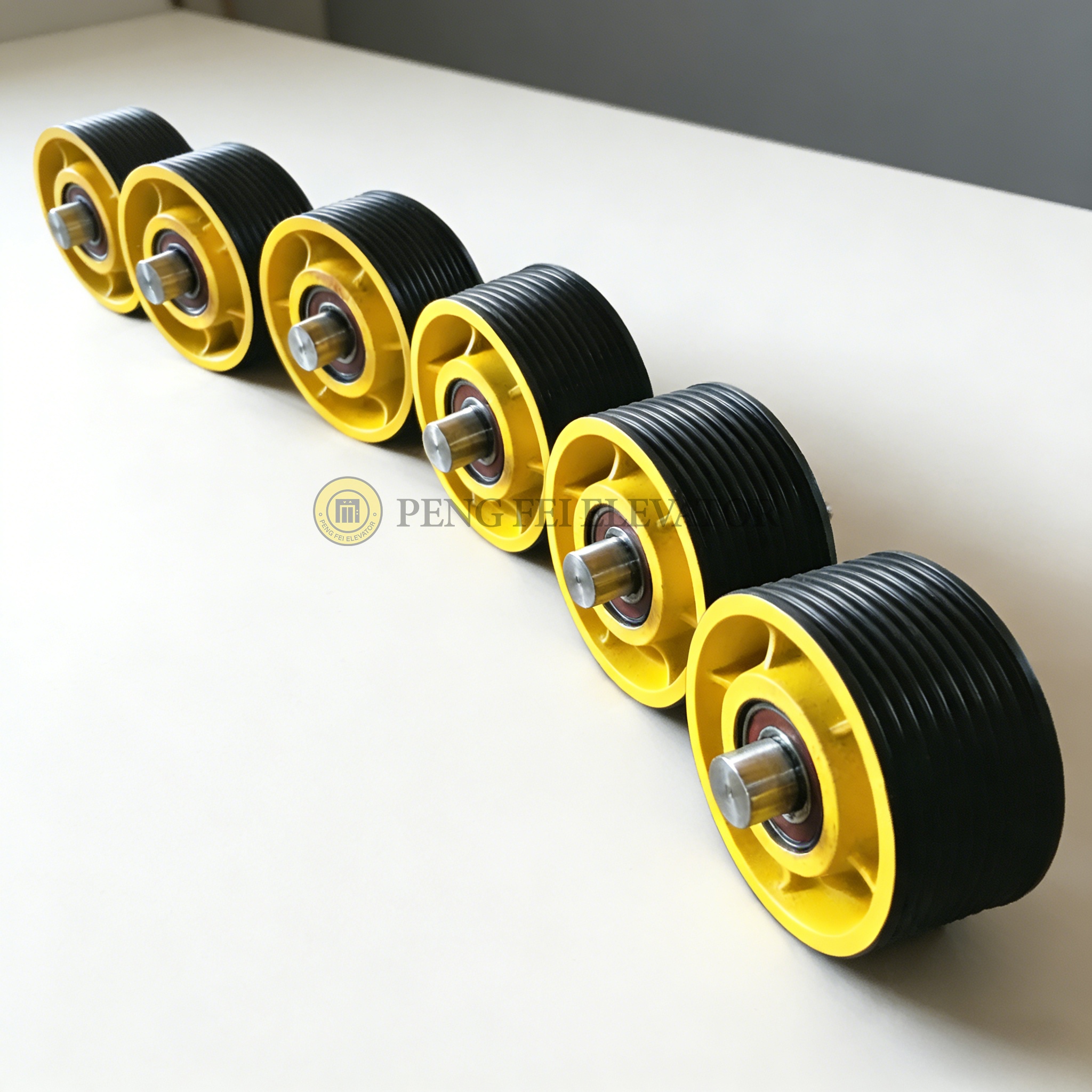
Roller Guide Shoes
Roller guide shoes use rollers to guide the elevator car along the guide rails. They are commonly used in applications where smooth movement and reduced vibration are important.
Buyers should check roller diameter, bearing quality, mounting structure, and compatibility with the original elevator system.
Selecting the correct type depends on the elevator design, operating conditions, and manufacturer's specifications.
- Check Dimensions and Mounting Compatibility
Physical compatibility is one of the most important factors when purchasing elevator guide shoes.
Even if two products have similar appearances, differences in dimensions can prevent proper installation.
Buyers should verify:
- Overall length and width
- Mounting hole positions
- Mounting plate dimensions
- Guide shoe opening dimensions
- Roller diameter, if applicable
- Lining thickness
- Installation orientation
For replacement projects involving older elevator models, requesting a technical drawing before ordering can help reduce purchasing errors.
Providing an original sample or detailed measurements is also helpful when identifying discontinued products.
- Evaluate Guide Shoe Lining Materials
The lining material directly affects the friction characteristics, wear resistance, and service life of sliding elevator guide shoes.
Different materials may be suitable for different elevator applications and operating conditions.
When evaluating guide shoe materials, buyers should consider:
- Wear resistance
- Friction characteristics
- Mechanical strength
- Temperature resistance
- Material consistency
- Compatibility with the guide rail
For roller guide shoes, buyers should also evaluate roller material, bearing quality, and manufacturing precision.
A suitable material selection can help improve operating stability and reduce replacement frequency.
- Consider Elevator Speed and Load Requirements
Different elevators operate under different speed, load, and usage conditions.
A residential elevator, commercial elevator, and high-speed passenger elevator may have different guide shoe requirements.
Before purchasing, buyers should confirm:
- Rated elevator speed
- Rated load capacity
- Guide rail model and dimensions
- Elevator car or counterweight application
- Operating environment
- Original manufacturer's technical requirements
Selecting guide shoes according to the actual elevator application helps ensure proper compatibility and reliable operation. - Check Manufacturing Quality and Product Inspection
Manufacturing quality is another important consideration when sourcing elevator guide shoes.
Poor material selection, inaccurate machining, or inconsistent assembly may affect product performance and service life.
Professional manufacturers should pay attention to:
- Dimensional accuracy
- Material quality inspection
- Surface finishing
- Component assembly
- Wear resistance testing
- Product consistency
For wholesale buyers and elevator spare parts distributors, consistent quality is particularly important because it helps reduce after-sales complaints and supports long-term customer relationships.
Buyers can request product specifications, technical drawings, inspection records, and applicable conformity documents before placing an order.
- Choose a Reliable Elevator Guide Shoe Supplier
Finding an experienced elevator spare parts supplier can make the purchasing process more efficient.
When comparing suppliers, buyers should consider several factors.
Product Range: Suppliers offering sliding guide shoes, roller guide shoes, guide shoe linings, and other elevator components can provide more convenient purchasing options.
OEM and Customization: Custom manufacturing capabilities are useful for customers who require specific dimensions, materials, or product designs.
Quality Control: Standardized production and inspection procedures help ensure consistent product quality.
Technical Support: Professional suppliers should assist with model identification, dimensional confirmation, and product selection.
Export Experience: International shipping experience and complete export documentation can help overseas buyers manage procurement more efficiently.
Establishing a stable relationship with a professional supplier can support long-term elevator maintenance and spare parts distribution businesses.
Conclusion
Selecting the right elevator guide shoe replacement requires careful consideration of the original model, guide shoe type, mounting dimensions, material properties, and elevator operating conditions.
Whether choosing sliding guide shoes or roller guide shoes, buyers should always verify compatibility with the original elevator design and technical requirements.
For elevator maintenance companies, engineering contractors, and spare parts distributors, working with an experienced elevator guide shoe manufacturer can help reduce sourcing risks, improve procurement efficiency, and maintain reliable elevator operation.
We offer various mechanical replacement parts for escalators and elevators. The products include escalator tooth plates, step frame strips, wear-resistant guide rail strips, step rollers, sprockets, driving rollers, driving friction wheels, driving shafts, gear assemblies, step chains, complete chain components, handrail belts, etc. In addition, we also provide elevator wire rope head assemblies, traction machine shock absorbers, car shock absorbers, sliding guide shoes, hollow guide rails, cast iron guide shoe shoes, traction wheels, guide wheels, buffers, etc. All wear-prone components suitable for electric escalators are compatible with mainstream elevator brands and are applicable for equipment maintenance, renovation projects, and new machine assembly. We offer OEM customization services and can handle large-scale orders as well as small-scale repair orders. Our products are of stable quality and the factory direct sales price has a significant advantage.