Elevator Door Lock Replacement: How to Choose the Right Elevator Door Lock
Elevator door locks are essential safety components in elevator door systems. They help ensure that elevator doors remain securely closed during operation and prevent the elevator from moving when the doors are not properly locked.
Over time, elevator door locks may experience mechanical wear, electrical contact problems, spring fatigue, or damage caused by frequent operation. When replacement becomes necessary, selecting the correct elevator door lock is important for maintaining reliable door operation and elevator safety.
For elevator maintenance companies, engineering contractors, and spare parts distributors, understanding the key specifications before purchasing can help reduce compatibility issues and improve maintenance efficiency.
- Identify the Original Elevator Door Lock Model
Before purchasing a replacement elevator door lock, buyers should identify the original component model.
Different elevator manufacturers and door systems may use different locking structures and installation designs. Even products with similar appearances may not be interchangeable.
Important information to collect includes:
- Original elevator door lock model or part number
- Elevator manufacturer and model
- Door operator or door system type
- Original manufacturer information
- Product label and identification details
- Clear photographs of the existing door lock
If the original model number is unavailable, providing detailed photographs and installation information can help suppliers identify a suitable replacement. - Check Electrical Specifications and Contact Configuration
Electrical compatibility is another important factor when selecting an elevator door lock.
Many elevator door locks incorporate electrical safety contacts that work with the elevator control system. Incorrect electrical specifications or contact configurations may cause installation problems or prevent the elevator from operating correctly.
Before ordering, buyers should verify:
- Rated operating voltage
- Rated current
- AC or DC electrical requirements
- Contact configuration
- Terminal arrangement
- Electrical connection method
Buyers should always refer to the original technical documentation to confirm compatibility.
Because door locking and electrical interlocking functions are safety-related, replacement components must meet the requirements of the original elevator system and applicable regulations.
- Verify Mechanical Dimensions and Installation Requirements
Mechanical compatibility directly affects the installation and operation of an elevator door lock.
A replacement product with incorrect dimensions may not fit the existing door assembly or could affect the locking mechanism.
The following dimensions should be checked:
- Overall length and width
- Mounting hole positions
- Locking hook dimensions
- Installation distance
- Mechanical connection structure
- Contact terminal position
For older elevator models, the original door lock may have been discontinued. In these situations, providing a sample, technical drawing, or detailed measurements can help suppliers evaluate replacement options.
Requesting dimensional drawings before placing an order can reduce the risk of purchasing incorrect parts.
- Evaluate Material Quality and Mechanical Durability
Elevator door locks operate frequently throughout the day. Their mechanical components must withstand repeated opening, closing, and locking movements.
Material quality and manufacturing precision are therefore important considerations when choosing replacement products.
Buyers should pay attention to:
- Metal housing strength
- Locking hook material
- Spring durability
- Contact reliability
- Surface treatment
- Mechanical assembly precision
High-quality manufacturing helps improve product consistency and reduce premature wear.
For elevator maintenance companies and spare parts wholesalers, stable product quality is particularly important because it can reduce maintenance frequency and after-sales service costs.
- Understand the Importance of Elevator Door Lock Compatibility
Elevator door locks are part of the elevator door interlocking and safety system. They should never be selected based only on appearance or similar dimensions.
The locking structure, electrical contacts, operating characteristics, and installation requirements must all be compatible with the original elevator design.
Before confirming an order, buyers should verify:
- Whether the product matches the original door lock model
- Whether the electrical contact arrangement is correct
- Whether the mechanical locking structure is compatible
- Whether the product meets applicable elevator safety requirements
If the original component is unavailable, technical evaluation by the elevator manufacturer or a qualified elevator professional is recommended.
Installation, adjustment, and testing should be performed by qualified elevator technicians.
- Check Supplier Quality Control and Product Documentation
Choosing a reliable elevator door lock supplier is essential for international spare parts procurement.
Professional suppliers should be able to provide detailed product information and relevant quality documentation.
Before purchasing, consider requesting:
- Product technical specifications
- Dimensional drawings
- Electrical connection diagrams
- Material information
- Quality inspection records
- Applicable conformity documentation
For international buyers, packaging quality, production lead times, minimum order quantities, and export shipping arrangements should also be confirmed.
Clear communication before ordering helps prevent specification misunderstandings and unnecessary delivery delays.
- Choose an Experienced Elevator Spare Parts Supplier
An experienced elevator spare parts supplier can help buyers identify replacement models and confirm product specifications before ordering.
When evaluating potential suppliers, consider the following factors:
Product Range: A supplier with a wide range of elevator door locks, switches, sensors, and other elevator spare parts can provide more convenient purchasing options.
Manufacturing Experience: Experienced manufacturers are more likely to understand product structures, material requirements, and production processes.
OEM and Customization: OEM capabilities can be useful when buyers need specific dimensions, product labels, or customized components.
Quality Inspection: Consistent inspection procedures help maintain product quality and reduce delivery-related problems.
Export Experience: International shipping experience and professional documentation support can make overseas procurement more efficient.
Building a long-term relationship with a reliable supplier can help elevator maintenance companies and distributors maintain a stable spare parts supply.
Conclusion
Choosing the right elevator door lock replacement requires careful consideration of the original model, electrical specifications, mechanical dimensions, material quality, and installation compatibility.
Since elevator door locks are important safety-related components, replacement products must meet the technical requirements of the original elevator system and applicable safety standards.
By preparing accurate product information and working with an experienced elevator spare parts supplier, international buyers can reduce purchasing risks, improve maintenance efficiency, and maintain a reliable supply of replacement components.
Whether you are an elevator maintenance contractor, engineering company, or spare parts distributor, selecting the correct elevator door lock is an important part of maintaining dependable elevator door operation.
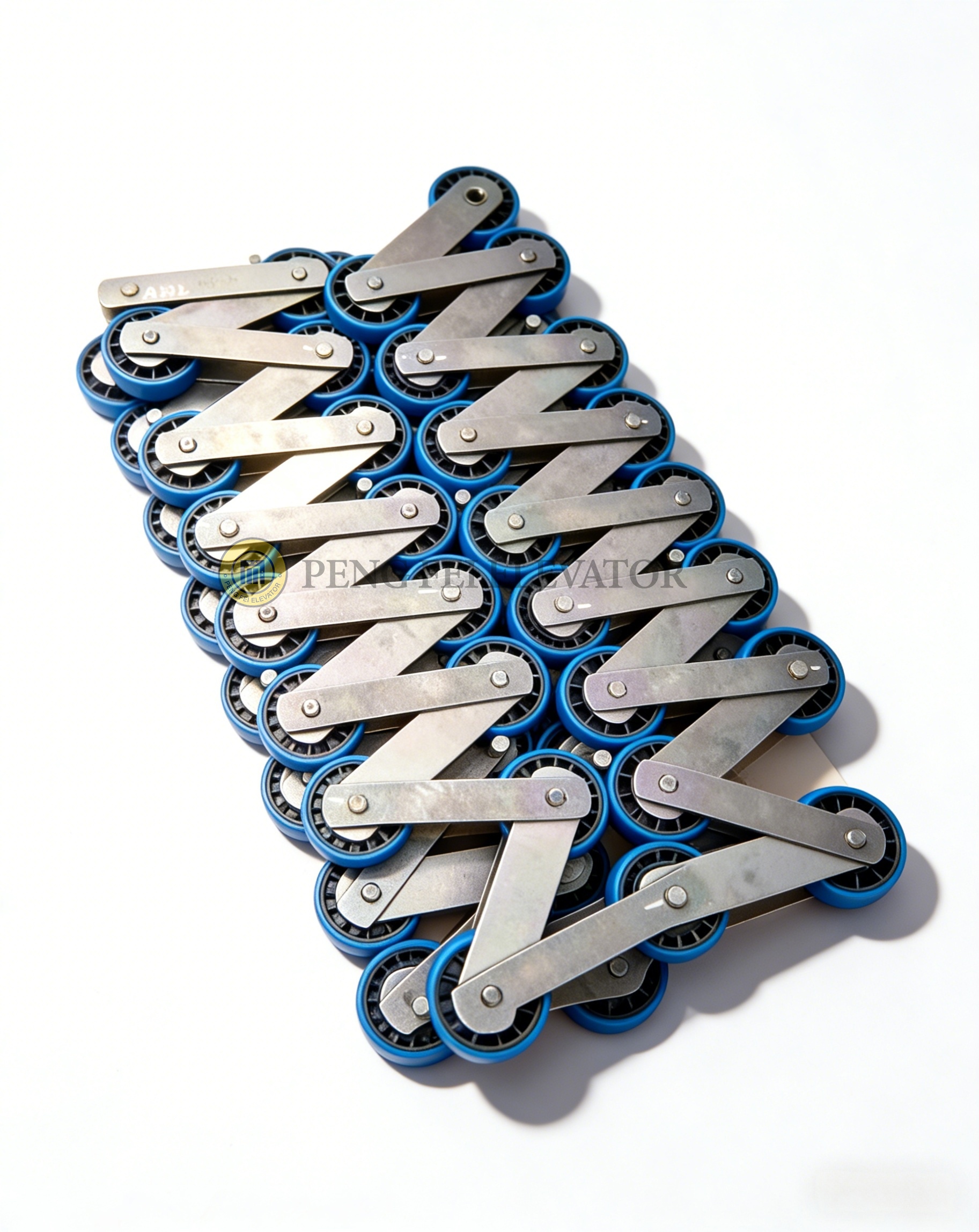
We offer various mechanical replacement parts for escalators and elevators. The products include escalator tooth plates, step frame strips, wear-resistant guide rail strips, step rollers, sprockets, driving rollers, driving friction wheels, driving shafts, gear assemblies, step chains, complete chain components, handrail belts, etc. In addition, we also provide elevator wire rope head assemblies, traction machine shock absorbers, car shock absorbers, sliding guide shoes, hollow guide rails, cast iron guide shoe shoes, traction wheels, guide wheels, buffers, etc. All wear-prone components suitable for electric escalators are compatible with mainstream elevator brands and are applicable for equipment maintenance, renovation projects, and new machine assembly. We offer OEM customization services and can handle large-scale orders as well as small-scale repair orders. Our products are of stable quality and the factory direct sales price has a significant advantage.