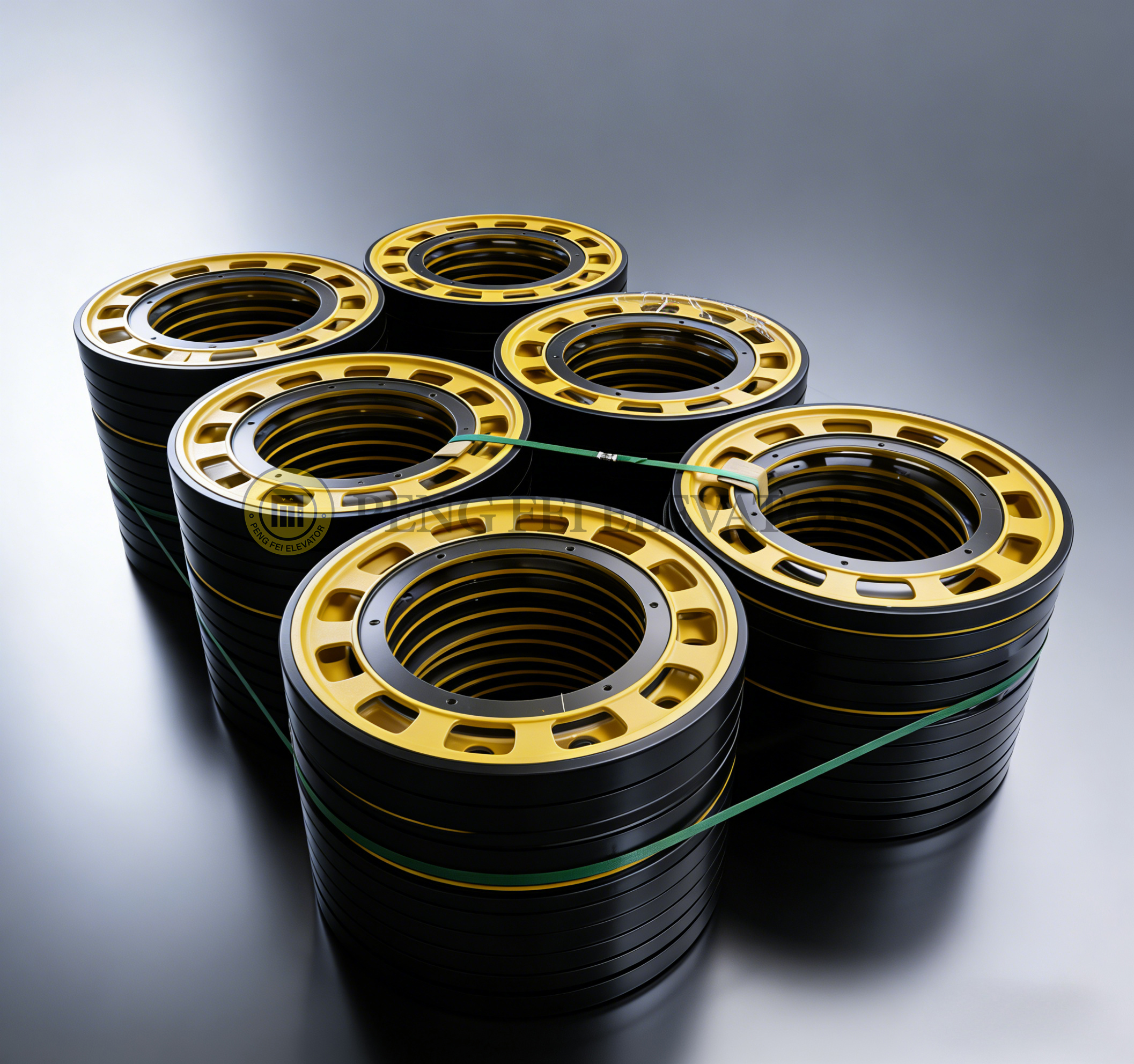
Why Does an Elevator Guide Shoe Wear Out? Common Causes and Maintenance Tips
Why Does an Elevator Guide Shoe Wear Out? Common Causes and Maintenance Tips
Guide shoes are responsible for keeping the elevator car and counterweight aligned with the guide rails throughout their travel. Although they are relatively small components, their condition directly affects ride comfort, vibration levels, and the overall reliability of the elevator system.
When guide shoes begin to wear, maintenance teams often notice increased noise, vibration, or reduced ride quality. Identifying the cause early can help prevent further damage to other elevator components.
Symptom 1: Abnormal Noise During Elevator Travel
One of the first signs of guide shoe wear is unusual noise while the elevator is moving.
Possible causes include:
Worn guide shoe inserts
Insufficient lubrication
Improper guide shoe clearance
Damaged guide rails
Ignoring these symptoms may lead to accelerated wear of both the guide shoes and guide rails.
Symptom 2: Increased Vibration Inside the Elevator Car
Passengers may notice that the elevator feels less stable than before.
Common reasons include:
Uneven guide shoe wear
Roller guide shoe wheel wear
Loose mounting bolts
Incorrect installation
A vibration inspection should include both the guide shoe assembly and the guide rail condition.
Symptom 3: Visible Wear on the Guide Shoe Insert
For sliding guide shoes, the insert is the primary wear component.
During routine maintenance, technicians should check for:
Excessive wear
Surface cracks
Deformation
Uneven contact marks
If the insert has reached its wear limit, a slide guide shoe insert replacement should be carried out promptly to maintain proper guidance.
Why Guide Shoe Clearance Matters
The clearance between the guide shoe and the guide rail must remain within the specified range.
If the clearance is too small:
Friction increases
Heat builds up
Inserts wear faster
If the clearance is too large:
The elevator may vibrate
Ride comfort decreases
Noise levels increase
Maintenance technicians often use a guide shoe gap adjustment shim to achieve the correct clearance during installation or servicing.
Don't Ignore Lubrication
Proper lubrication is one of the simplest ways to extend guide shoe service life.
During inspections, check:
Lubrication fittings
Lubricant condition
Oil distribution
Signs of contamination
A blocked or damaged guide shoe lubrication fitting can prevent lubricant from reaching the contact surface, resulting in unnecessary wear.
When Should a Guide Shoe Be Replaced?
Replacement should be considered if you observe:
Excessive insert wear
Damaged roller wheels
Cracks in the guide shoe body
Persistent vibration after adjustment
Unusual operating noise
Using high-quality replacement parts helps restore smooth elevator operation and reduces future maintenance work.
Choosing the Right Guide Shoe Supplier
When sourcing replacement guide shoes, professional buyers typically evaluate:
Material quality
Dimensional accuracy
Compatibility with different elevator brands
OEM customization capability
Stable production and delivery
Reliable suppliers provide consistent products that simplify installation and improve long-term performance.
Why Choose PF Elevator Parts?
PF Elevator Parts specializes in manufacturing elevator and escalator spare parts for customers worldwide.
Our guide shoe product range includes:
Roller Guide Shoes
Sliding Guide Shoes
Guide Shoe Inserts
Customized Guide Shoe Assemblies
With advanced manufacturing equipment, strict quality control, and OEM production capabilities, PF Elevator Parts supplies dependable components for maintenance companies, distributors, and elevator equipment manufacturers across global markets.
Final Thoughts
Guide shoe wear is a normal part of elevator operation, but excessive wear should never be ignored. Regular inspection of inserts, rollers, lubrication systems, and guide shoe clearance can significantly reduce maintenance costs and improve elevator performance.
By selecting reliable guide shoe components from an experienced manufacturer, maintenance companies can extend equipment service life, reduce downtime, and provide safer, smoother elevator operation.
Our company specializes in the R&D, manufacturing and sales of complete elevators of various types and a full range of core components for elevators and escalators. Our products cover a wide variety of elevator equipment, including high-end villa elevators, passenger elevators, freight elevators, dumbwaiters, etc. Core components for vertical elevators include main engine shock absorbers, car shock absorbers, guide shoes, rope hitches, traction sheaves, etc. Key escalator components include comb plates, side panels, friction wheels, drive wheels, step rollers, tension chains, heavy-duty step chains, pulley assemblies, etc. We can provide one-stop supporting solutions for major elevator and escalator brands at home and abroad.