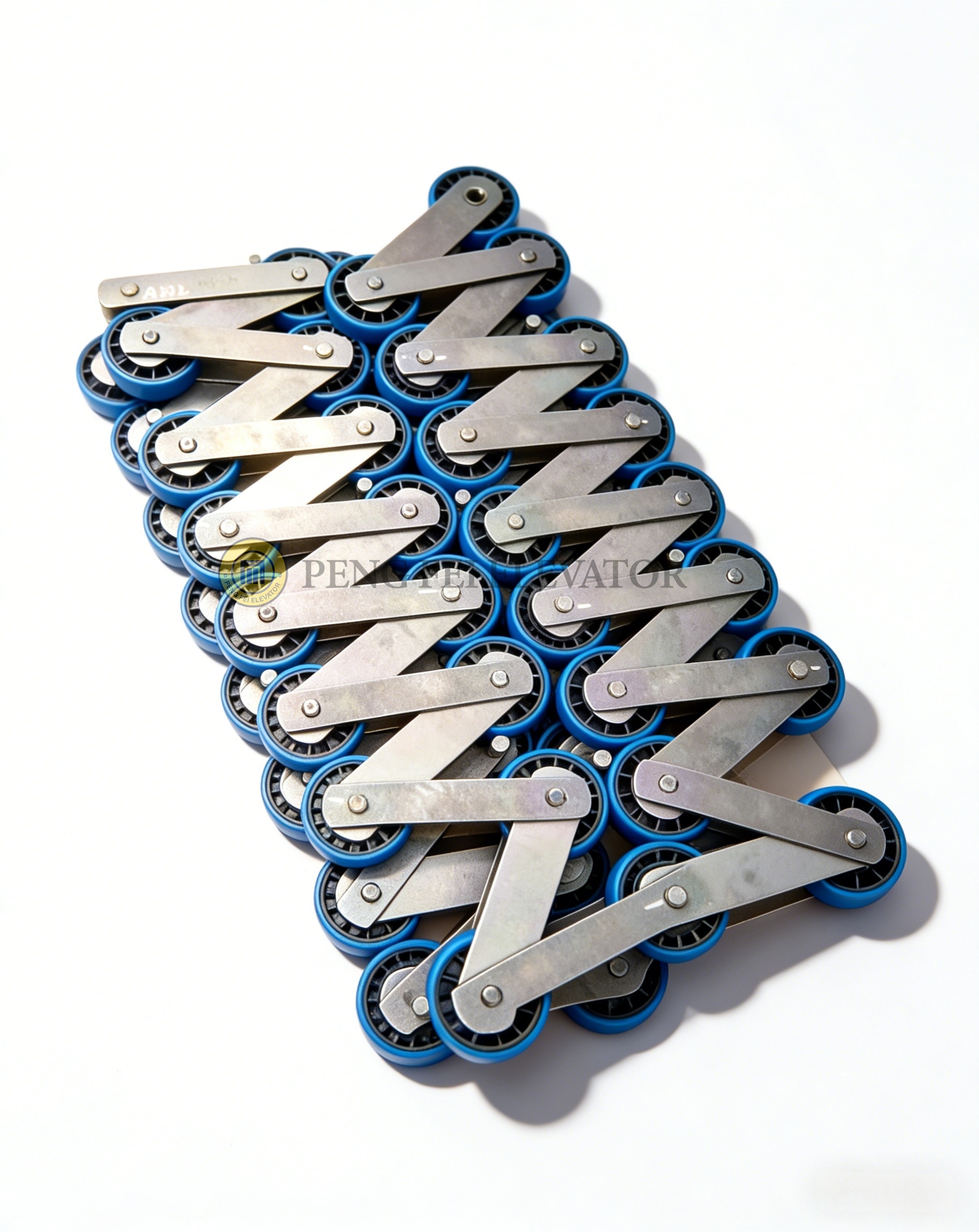
Elevator Door Lock: Functions, Types, and Safety Requirements
The elevator door lock is one of the most critical safety devices in any elevator system. Although passengers rarely notice it, the door lock ensures that elevator landing doors remain securely closed unless the elevator car is correctly positioned at the floor.
Without a reliable door locking mechanism, elevators cannot operate safely. Modern safety regulations require every passenger and freight elevator to be equipped with certified door locks that prevent accidental access to the elevator shaft.
For elevator manufacturers, maintenance companies, and building owners, selecting a high-quality elevator door lock is essential for long-term safety and system reliability.
What Is an Elevator Door Lock?
An elevator door lock is a mechanical and electrical safety device installed on each landing door. Its primary function is to lock the landing door while the elevator is moving and release it only when the elevator car has arrived at the correct floor.
The door lock works together with the elevator controller and door operator to ensure passengers can safely enter and exit the elevator.
How Does an Elevator Door Lock Work?
The elevator door lock operates through a simple but highly reliable safety mechanism.
The working process includes:
The landing door remains locked while the elevator is traveling.
When the elevator reaches the selected floor, the door operator activates the unlocking mechanism.
The landing door unlocks and opens together with the elevator car door.
After passengers enter or leave the elevator, both doors close.
The door lock engages automatically before the elevator begins moving again.
This sequence prevents passengers from opening the landing door when no elevator car is present.
Types of Elevator Door Locks
Mechanical Door Lock
Mechanical door locks rely on a physical locking mechanism to secure the landing door.
Advantages
Simple structure
High durability
Easy maintenance
Reliable performance
Applications
Residential elevators
Passenger elevators
Freight elevators
Electrical Safety Door Lock
Electrical door locks include safety contacts that communicate with the elevator control system.
Advantages
Higher safety level
Real-time monitoring
Improved fault detection
Meets modern safety standards
Applications
Commercial buildings
High-rise elevators
Public transportation facilities
Why Is an Elevator Door Lock Important?
A properly functioning elevator door lock provides several important benefits:
Prevents accidental access to the elevator shaft
Protects passengers from serious accidents
Ensures elevators operate only when doors are securely locked
Improves overall elevator reliability
Meets international elevator safety regulations
The door lock is one of the most important components in the elevator safety chain.
Common Door Lock Problems
Lock Wear
Long-term operation may cause wear on locking components, reducing locking performance.
Electrical Contact Failure
Faulty safety contacts may interrupt elevator operation or generate error signals.
Misalignment
Improper installation or building movement may cause the door lock to become misaligned.
Dirt and Corrosion
Dust, moisture, and corrosion can affect the smooth operation of the locking mechanism.
Routine inspection helps identify these issues before they become safety hazards.
Maintenance Tips
To ensure reliable operation, elevator door locks should be inspected regularly.
Recommended maintenance includes:
Check lock engagement
Test electrical safety contacts
Clean moving components
Lubricate mechanical parts
Replace worn locking components
Verify door alignment
Preventive maintenance reduces downtime and improves passenger safety.
Why Choose PF Elevator Parts?
PF Elevator Parts manufactures high-quality elevator door locks and complete elevator safety components for customers worldwide.
Our products provide:
Precision manufacturing
High-strength materials
Excellent durability
Reliable locking performance
Compliance with international quality standards
OEM and ODM customization services
We support elevator manufacturers, distributors, and maintenance companies with dependable elevator component solutions.
Frequently Asked Questions
What is the function of an elevator door lock?
It keeps the landing door securely locked while the elevator is moving and unlocks it only when the elevator car arrives at the correct floor.
Can an elevator operate if the door lock fails?
No. Modern elevator control systems prevent operation if the door lock is not securely engaged.
How often should elevator door locks be inspected?
Door locks should be inspected during every scheduled elevator maintenance visit.
What causes elevator door lock failure?
Common causes include mechanical wear, electrical contact failure, corrosion, improper installation, and lack of maintenance.
Are elevator door locks required by safety regulations?
Yes. Elevator door locks are mandatory safety devices required by international elevator standards and local regulations.
Conclusion
The elevator door lock is a fundamental safety component that protects passengers and ensures reliable elevator operation. Choosing a high-quality door lock and following a regular maintenance schedule helps reduce failures, improve safety, and extend the service life of the elevator system.
PF Elevator Parts supplies durable elevator door locks and a full range of elevator components, providing reliable solutions for elevator manufacturers, maintenance providers, and global distributors.
Our company specializes in the R&D, manufacturing and sales of complete elevators of various types and a full range of core components for elevators and escalators. Our products cover a wide variety of elevator equipment, including high-end villa elevators, passenger elevators, freight elevators, dumbwaiters, etc. Core components for vertical elevators include main engine shock absorbers, car shock absorbers, guide shoes, rope hitches, traction sheaves, etc. Key escalator components include comb plates, side panels, friction wheels, drive wheels, step rollers, tension chains, heavy-duty step chains, pulley assemblies, etc. We can provide one-stop supporting solutions for major elevator and escalator brands at home and abroad.