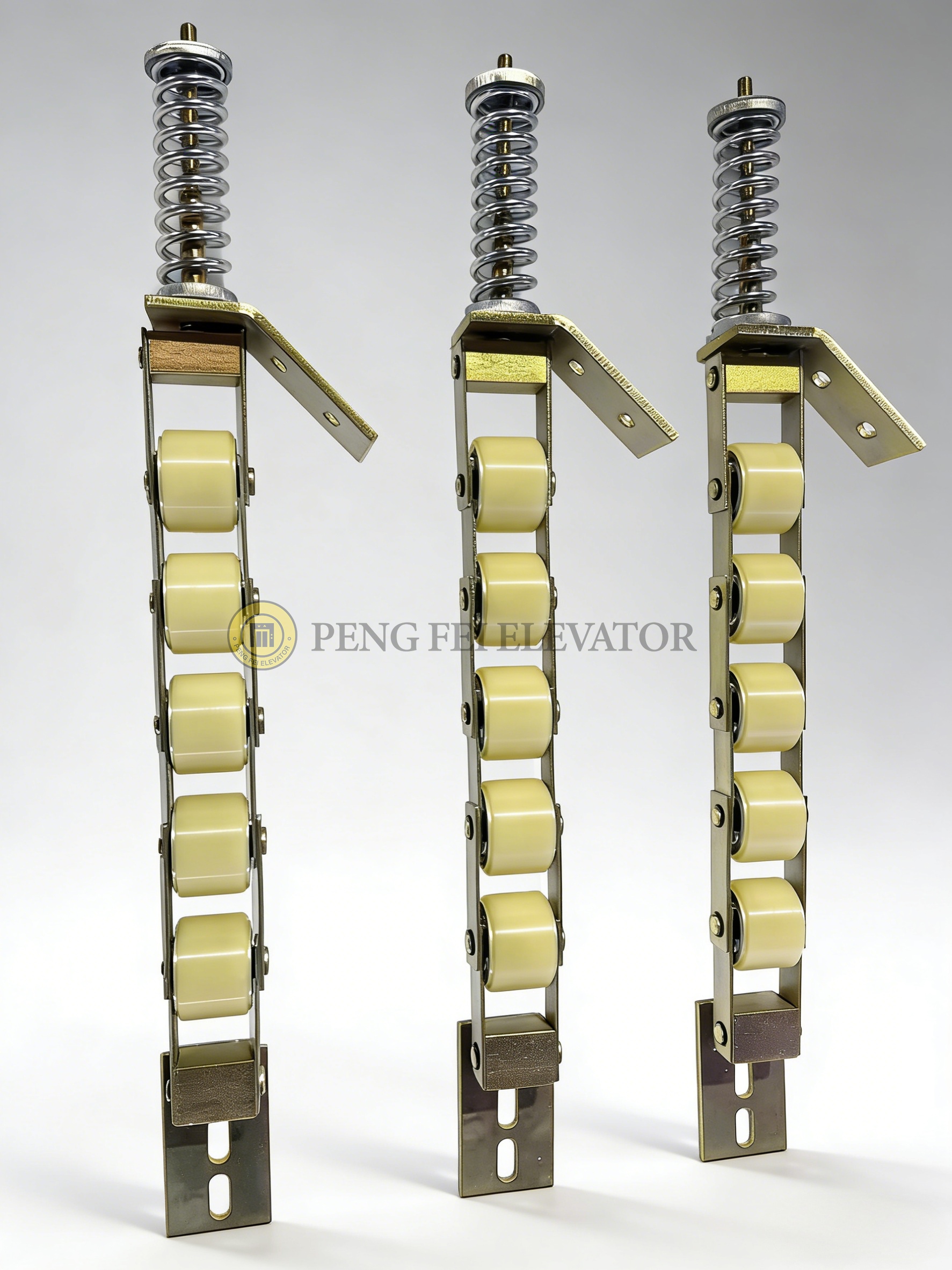
Elevator Traction System: How It Works and Key Components
The traction system is one of the most important parts of a modern elevator. It is responsible for moving the elevator cabin up and down smoothly, safely, and efficiently.
In traction elevators, the system works through a combination of motor power, steel ropes, and counterweights. This technology is widely used in residential, commercial, and high-rise buildings due to its reliability and energy efficiency.
For engineers, developers, and elevator buyers, understanding the traction system is essential when evaluating elevator performance and long-term operation.
What is an Elevator Traction System?
An elevator traction system is a mechanical drive system that uses a motor and steel ropes to move the elevator cabin.
The system works by rotating a traction sheave, which moves the ropes attached to both the cabin and the counterweight.
This balanced design reduces energy consumption and improves operational efficiency.
Main Components of a Traction System
A traction system consists of several key components working together.
Traction Machine
The traction machine is the main driving unit of the elevator system.
It includes the motor and sheave that generate the mechanical force needed to move the elevator.
Modern traction machines are often gearless for higher efficiency and smoother operation.
Steel Wire Ropes
Steel ropes connect the elevator cabin and counterweight to the traction machine.
They are designed to withstand high tension and continuous operation.
Regular inspection of ropes is essential for safety and performance.
Counterweight System
The counterweight balances the weight of the elevator cabin and part of the passenger load.
This reduces the energy required to move the elevator and improves system efficiency.
Proper balancing is essential for smooth operation.
Control System Integration
The traction system is controlled by the elevator control system, which manages speed, acceleration, and braking.
Advanced controllers optimize movement and improve ride comfort.
Brake System
The brake system ensures the elevator stops safely at each floor.
It also activates during emergency situations to prevent uncontrolled movement.
Reliable braking is a critical safety feature in traction elevators.
How the Traction System Works
When a passenger selects a floor, the control system activates the traction motor.
The motor rotates the sheave, moving the steel ropes and lifting or lowering the elevator cabin.
The counterweight moves in the opposite direction, balancing the load.
This coordinated system ensures smooth and energy-efficient operation.
Advantages of Traction Systems
Traction elevators offer several important advantages over other systems.
Energy Efficiency
The counterweight system reduces power consumption.
Smooth Operation
Provides stable and comfortable ride quality.
High-Speed Capability
Suitable for mid-rise and high-rise buildings.
Long Service Life
Designed for continuous and heavy usage.
Applications of Traction Elevators
Traction systems are widely used in modern buildings.
They are commonly installed in office buildings, hotels, residential towers, hospitals, and commercial complexes.
High-rise buildings especially rely on traction systems for efficient vertical transportation.
Maintenance Considerations
Regular inspection of traction components is essential for safe operation.
Key maintenance tasks include rope inspection, brake testing, lubrication, and motor performance checks.
Proper maintenance helps extend system lifespan and prevent failures.
Conclusion
The traction system is the core driving mechanism of modern elevators, ensuring safe, smooth, and efficient vertical transportation.
Its combination of motor power, steel ropes, and counterweight technology makes it suitable for a wide range of building types.
If you are planning an elevator project and need a reliable traction system solution, contact us for professional consultation and customized engineering support.
Our company specializes in the R&D, manufacturing and sales of complete elevators of various types and a full range of core components for elevators and escalators. Our products cover a wide variety of elevator equipment, including high-end villa elevators, passenger elevators, freight elevators, dumbwaiters, etc. Core components for vertical elevators include main engine shock absorbers, car shock absorbers, guide shoes, rope hitches, traction sheaves, etc. Key escalator components include comb plates, side panels, friction wheels, drive wheels, step rollers, tension chains, heavy-duty step chains, pulley assemblies, etc. We can provide one-stop supporting solutions for major elevator and escalator brands at home and abroad.