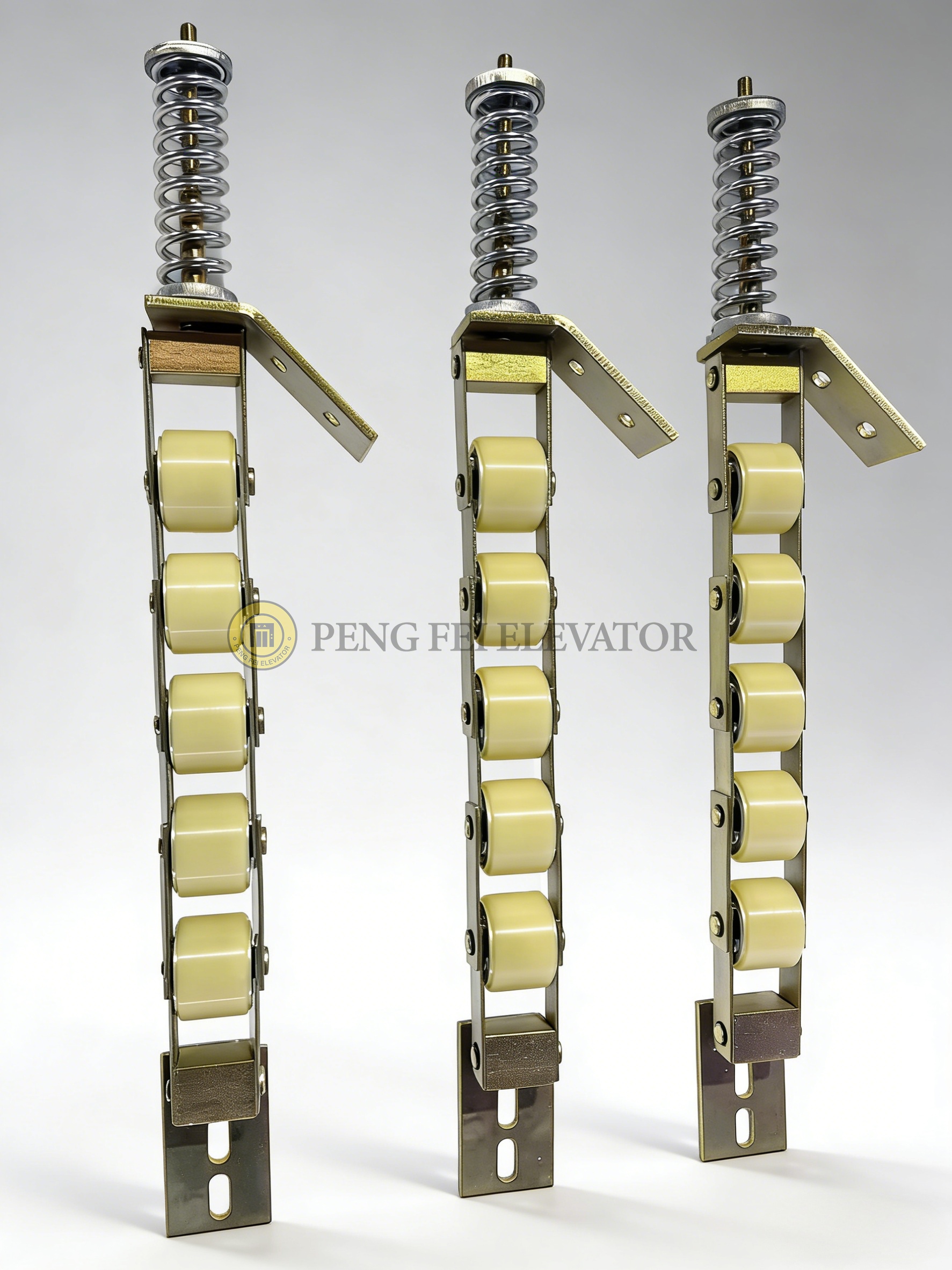
Elevator Maintenance Checklist: What Should Be Checked Regularly?
Regular elevator maintenance is essential to ensure safe, stable, and efficient operation. A well-maintained elevator not only reduces the risk of breakdowns but also extends the overall service life of the system.
For building owners, property managers, and maintenance teams, having a clear elevator maintenance checklist helps ensure that all critical components are properly inspected and serviced on a regular basis.
Why Elevator Maintenance is Important
Elevators operate daily under constant mechanical and electrical stress.
Without proper maintenance, components can wear out, leading to safety risks, unexpected breakdowns, and increased repair costs.
Routine inspections help detect issues early and maintain smooth operation.
Elevator Maintenance Checklist Overview
A standard elevator maintenance checklist includes mechanical, electrical, and safety system inspections.
Regular maintenance should be performed monthly, quarterly, and annually depending on usage and building type.
Door System Inspection
Elevator doors are one of the most frequently used components and require careful inspection.
Key points include checking door rollers, tracks, sensors, and door alignment.
Proper door operation ensures passenger safety and prevents common service failures.
Control System Check
The elevator control system is responsible for managing all operations.
Technicians should inspect control panels, wiring, relays, and software systems to ensure proper communication between components.
Any error codes or irregular behavior should be diagnosed immediately.
Traction System Inspection
The traction system includes the motor, brake, and steel ropes.
Regular inspection ensures that cables are not worn, the motor operates smoothly, and braking systems function correctly.
Proper lubrication and tension adjustment are essential for safe operation.
Safety Device Testing
Safety systems must be tested regularly to ensure emergency protection.
This includes emergency brakes, overload protection devices, limit switches, and alarm systems.
Safety testing is critical for preventing accidents and ensuring compliance with regulations.
Cabin Condition Inspection
The elevator cabin should also be checked for cleanliness, lighting, ventilation, and interior condition.
Control buttons and display panels must be fully functional.
A well-maintained cabin improves passenger experience and building image.
Leveling Accuracy Check
Proper floor leveling ensures that the elevator stops accurately at each floor.
Technicians should verify that the cabin aligns correctly with floor levels to prevent tripping hazards and improve accessibility.
Electrical System Inspection
Electrical components such as wiring, connectors, and power supply systems should be inspected for wear or damage.
Stable electrical performance is essential for safe and reliable elevator operation.
Lubrication and Mechanical Parts
Moving parts require regular lubrication to reduce friction and wear.
Guide rails, bearings, and mechanical joints should be checked and serviced according to manufacturer recommendations.
Importance of Professional Maintenance Service
While basic checks can be performed by building staff, professional maintenance service is essential for long-term safety and performance.
Experienced elevator technicians have the tools and expertise to detect hidden issues and ensure compliance with safety standards.
Conclusion
A complete elevator maintenance checklist is essential for ensuring safe, reliable, and efficient elevator operation.
Regular inspections help prevent breakdowns, reduce costs, and extend system lifespan.
If you need professional elevator maintenance support or customized service solutions, contact us for expert assistance.
Our company specializes in the R&D, manufacturing and sales of complete elevators of various types and a full range of core components for elevators and escalators. Our products cover a wide variety of elevator equipment, including high-end villa elevators, passenger elevators, freight elevators, dumbwaiters, etc. Core components for vertical elevators include main engine shock absorbers, car shock absorbers, guide shoes, rope hitches, traction sheaves, etc. Key escalator components include comb plates, side panels, friction wheels, drive wheels, step rollers, tension chains, heavy-duty step chains, pulley assemblies, etc. We can provide one-stop supporting solutions for major elevator and escalator brands at home and abroad.