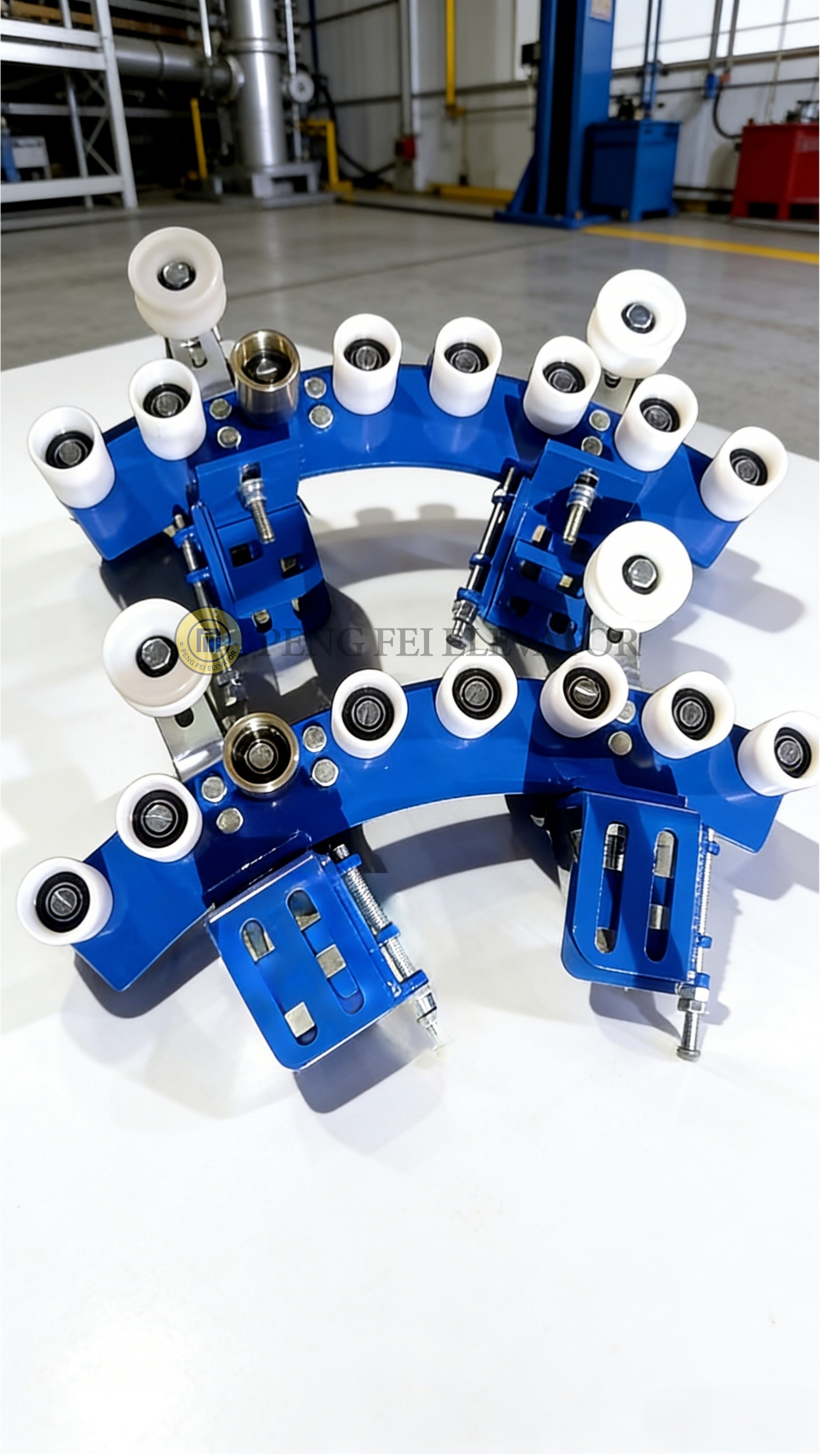
How to Choose the Right Elevator Door Roller for Your Elevator System
The elevator door system is one of the most frequently used parts of any elevator. Every day, elevator doors open and close hundreds or even thousands of times, making the door roller one of the most important components in maintaining smooth and reliable operation. Choosing the right elevator door roller can improve performance, reduce maintenance costs, and extend the service life of the entire door system.
Elevator door rollers are designed to guide the movement of elevator doors along the track. Their primary function is to ensure smooth opening and closing while minimizing noise and vibration. When a roller becomes worn or damaged, the elevator door may operate slowly, make unusual noises, or fail to close properly.
There are several types of elevator door rollers available on the market. The most common materials include nylon, polyurethane, and rubber-coated rollers. Nylon rollers are widely used because they offer excellent wear resistance and low noise. Polyurethane rollers provide better durability and are suitable for heavy-duty applications, while rubber-coated rollers help reduce vibration during operation.
When selecting an elevator door roller, compatibility is the first factor to consider. Different elevator brands and door systems require specific roller sizes, bearing types, and installation methods. Before purchasing replacement parts, it is important to confirm the model number, dimensions, and technical specifications.
The quality of the bearing inside the roller also plays a significant role in performance. High-quality bearings reduce friction and ensure smoother movement, which helps extend the lifespan of both the roller and the door operator system. Inferior bearings may wear out quickly and lead to frequent maintenance issues.
Durability is another important consideration. Elevator doors operate continuously, especially in commercial buildings, hotels, hospitals, and office towers. Rollers manufactured from high-quality materials can withstand long-term use and maintain stable performance under demanding conditions.
Regular inspection of door rollers can help prevent unexpected elevator failures. Signs of worn rollers include excessive noise, vibration, uneven door movement, and visible damage to the wheel surface. Replacing worn rollers in time can reduce downtime and improve passenger safety.
Working with an experienced elevator parts supplier is also essential. Reliable suppliers can provide consistent product quality, technical support, and customized solutions for different elevator brands and applications. This helps maintenance companies and distributors reduce operational risks and improve customer satisfaction.
As elevator systems continue to evolve, the demand for high-quality elevator door components continues to increase. Choosing the right elevator door roller not only improves door performance but also contributes to the overall reliability and safety of the elevator system.
For building owners, maintenance companies, and distributors, investing in quality elevator door rollers is a practical way to reduce maintenance costs, improve operating efficiency, and ensure long-term elevator performance.
Our company specializes in the R&D, manufacturing and sales of complete elevators of various types and a full range of core components for elevators and escalators. Our products cover a wide variety of elevator equipment, including high-end villa elevators, passenger elevators, freight elevators, dumbwaiters, etc. Core components for vertical elevators include main engine shock absorbers, car shock absorbers, guide shoes, rope hitches, traction sheaves, etc. Key escalator components include comb plates, side panels, friction wheels, drive wheels, step rollers, tension chains, heavy-duty step chains, pulley assemblies, etc. We can provide one-stop supporting solutions for major elevator and escalator brands at home and abroad.