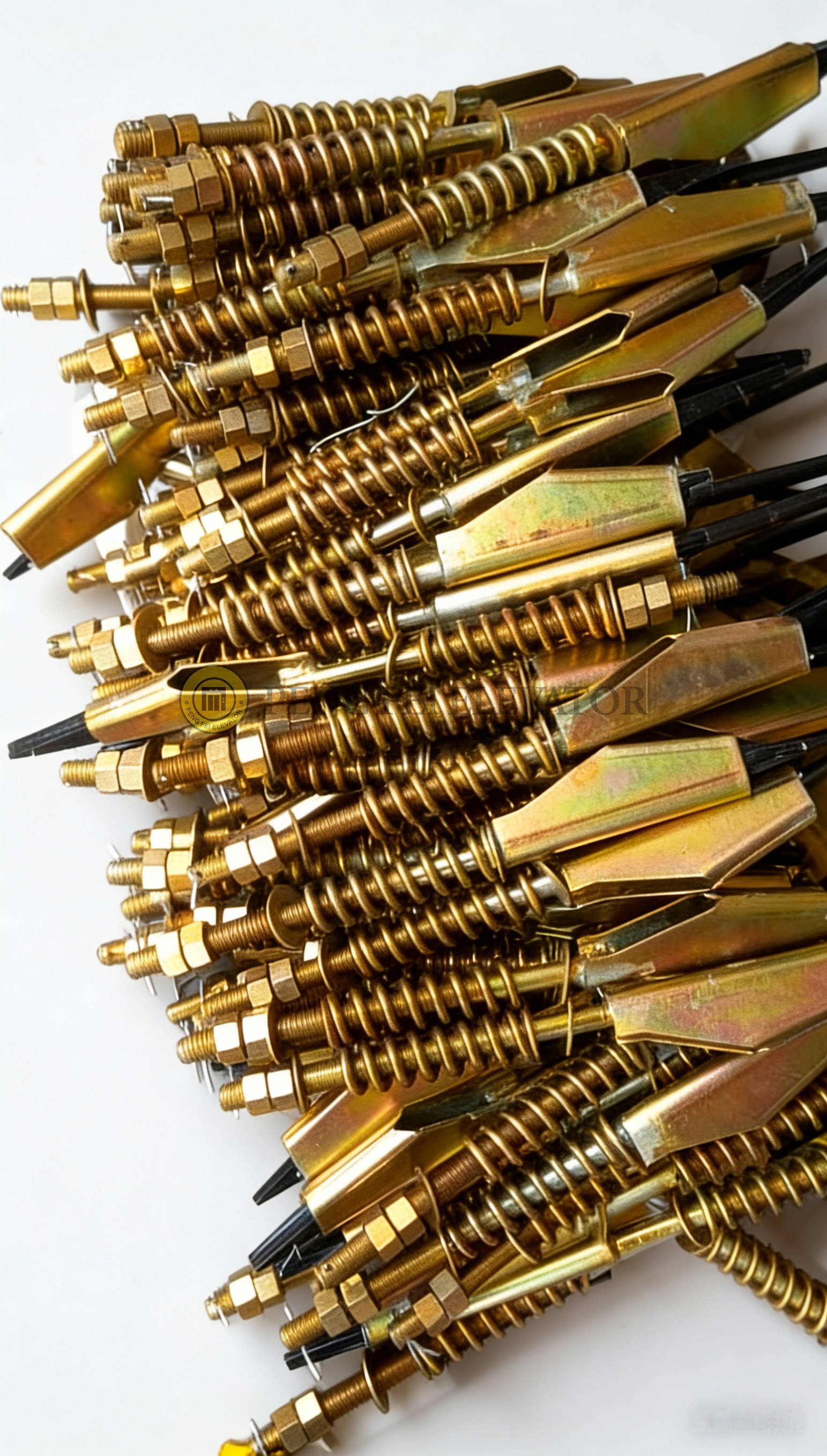
Energy-Efficient Elevators: How Modern Elevators Save Energy
As energy costs continue to rise and sustainability becomes more important, energy-efficient elevators are gaining popularity in modern buildings.
Today’s elevator systems are designed not only for performance and safety but also for reducing energy consumption and supporting environmentally friendly building standards.
For developers, architects, and building owners, choosing an energy-efficient elevator can help lower operating costs while improving overall building efficiency.
What is an Energy-Efficient Elevator?
An energy-efficient elevator is a system designed to reduce electricity consumption during operation.
Modern elevators use advanced technologies such as regenerative drives, LED lighting, intelligent control systems, and energy-saving standby modes.
Compared to older systems, these elevators consume significantly less energy while maintaining high performance.
How Modern Elevators Save Energy
Several technologies help modern elevators improve energy efficiency.
Regenerative Drive Technology
When the elevator moves, excess energy generated by the motor can be converted back into electricity and reused within the building.
LED Lighting Systems
LED cabin lighting consumes less electricity and has a longer lifespan than traditional lighting.
Standby Mode
Modern elevators automatically reduce power usage when not in operation.
Efficient Traction Systems
Gearless traction elevators are more energy-efficient because they reduce friction and mechanical loss.
Benefits of Energy-Efficient Elevators
Energy-efficient elevators provide several advantages.
Lower Operating Costs
Reduced electricity consumption lowers long-term utility expenses.
Environmental Sustainability
Energy-saving systems help reduce carbon emissions and support green building initiatives.
Improved Building Value
Buildings with energy-efficient systems are often more attractive to tenants and investors.
Long-Term Reliability
Modern technologies improve performance and reduce wear on components.
Energy-Efficient Elevators in Green Buildings
Green building projects increasingly require sustainable elevator solutions.
Energy-efficient elevators contribute to certifications such as LEED and other environmental standards.
Many modern commercial buildings now prioritize low-energy systems as part of their sustainability strategy.
Choosing the Right Energy-Efficient Elevator
Several factors should be considered when selecting an energy-saving elevator system.
Building height, traffic flow, and usage frequency all affect system efficiency.
Gearless traction elevators and MRL systems are often preferred for their low energy consumption.
Working with a professional elevator supplier ensures that the system is optimized for your project requirements.
Importance of a Reliable Elevator Supplier
A trusted elevator manufacturer can provide advanced energy-saving technologies and customized solutions.
Reliable suppliers also ensure that the system meets international safety and efficiency standards.
Long-term technical support and maintenance are essential for maintaining energy performance over time.
Conclusion
Energy-efficient elevators are an important part of modern sustainable buildings.
By reducing power consumption and improving operational efficiency, these systems provide both environmental and economic benefits.
If you are looking for an energy-efficient elevator solution for your project, working with an experienced supplier will help you achieve long-term performance and sustainability goals.
Our company specializes in the R&D, manufacturing and sales of complete elevators of various types and a full range of core components for elevators and escalators. Our products cover a wide variety of elevator equipment, including high-end villa elevators, passenger elevators, freight elevators, dumbwaiters, etc. Core components for vertical elevators include main engine shock absorbers, car shock absorbers, guide shoes, rope hitches, traction sheaves, etc. Key escalator components include comb plates, side panels, friction wheels, drive wheels, step rollers, tension chains, heavy-duty step chains, pulley assemblies, etc. We can provide one-stop supporting solutions for major elevator and escalator brands at home and abroad.