Complete Guide to Elevator Systems: Types, Cost, Installation and Maintenance
Elevators are an essential part of modern buildings, providing safe and efficient vertical transportation for people and goods. From residential homes to high-rise commercial towers, elevator systems play a key role in building functionality and user experience.
This complete guide covers everything you need to know about elevator systems, including types, cost, installation process, and maintenance.
Types of Elevator Systems
There are several types of elevator systems used in different applications.
Traction Elevators are widely used in mid-rise and high-rise buildings due to their speed and energy efficiency.
Hydraulic Elevators are commonly used in low-rise buildings and offer smooth operation with lower installation costs.
Machine Room Less (MRL) Elevators save space by eliminating the need for a separate machine room.
Freight Elevators are designed for transporting goods in industrial and commercial environments.
Home Elevators are used in private residences and villas, focusing on comfort and design.
Elevator Cost Overview
The cost of an elevator depends on multiple factors such as type, capacity, speed, and customization.
Basic residential elevators are generally more affordable, while commercial and high-speed systems require higher investment.
In addition to equipment cost, installation, maintenance, and long-term operation should also be considered when planning a budget.
Elevator Installation Process
Installing an elevator involves several key steps.
It starts with project planning and site evaluation, followed by system design and manufacturing.
After delivery, mechanical and electrical installation is carried out on-site.
Finally, the system undergoes testing, inspection, and certification before being put into operation.
Elevator Maintenance and Safety
Regular maintenance is essential to ensure safe and reliable elevator operation.
Key maintenance tasks include inspecting mechanical parts, checking electrical systems, and lubricating moving components.
Modern elevators are equipped with safety features such as emergency braking systems, overload protection, and door sensors.
How to Choose the Right Elevator Supplier
Choosing a reliable elevator supplier is one of the most important decisions in any project.
A professional elevator manufacturer provides high-quality products, customized solutions, and strong technical support.
Experience in international projects and compliance with safety standards are also key factors to consider.
Working with a trusted supplier ensures long-term performance and system reliability.
Conclusion
Elevator systems are a critical investment in any building project. Understanding the different types, costs, installation process, and maintenance requirements helps ensure better planning and decision-making.
If you are looking for a reliable elevator supplier or need a customized solution for your project, working with an experienced manufacturer will help you achieve safe, efficient, and long-term results.
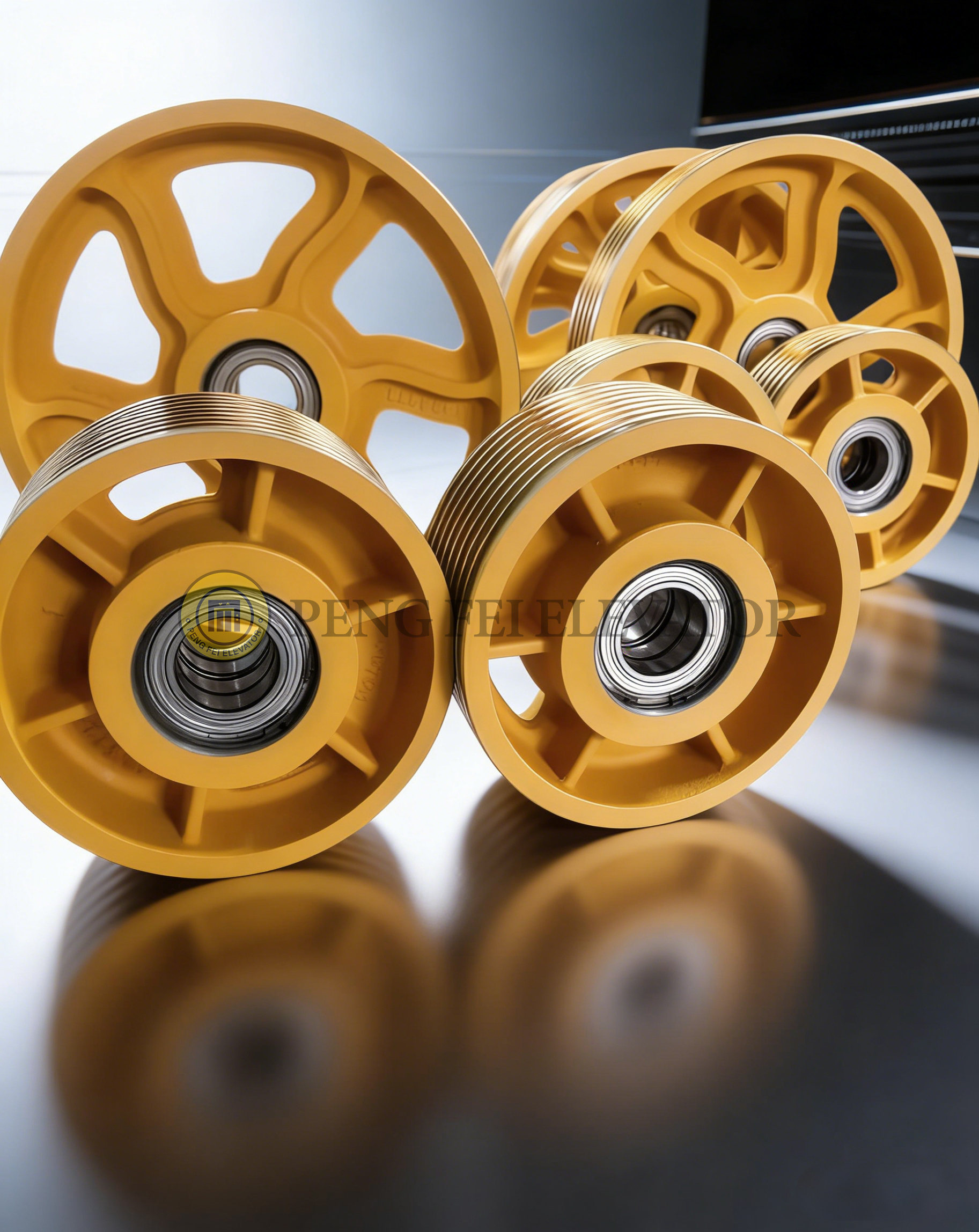
Our company specializes in the R&D, manufacturing and sales of complete elevators of various types and a full range of core components for elevators and escalators. Our products cover a wide variety of elevator equipment, including high-end villa elevators, passenger elevators, freight elevators, dumbwaiters, etc. Core components for vertical elevators include main engine shock absorbers, car shock absorbers, guide shoes, rope hitches, traction sheaves, etc. Key escalator components include comb plates, side panels, friction wheels, drive wheels, step rollers, tension chains, heavy-duty step chains, pulley assemblies, etc. We can provide one-stop supporting solutions for major elevator and escalator brands at home and abroad.