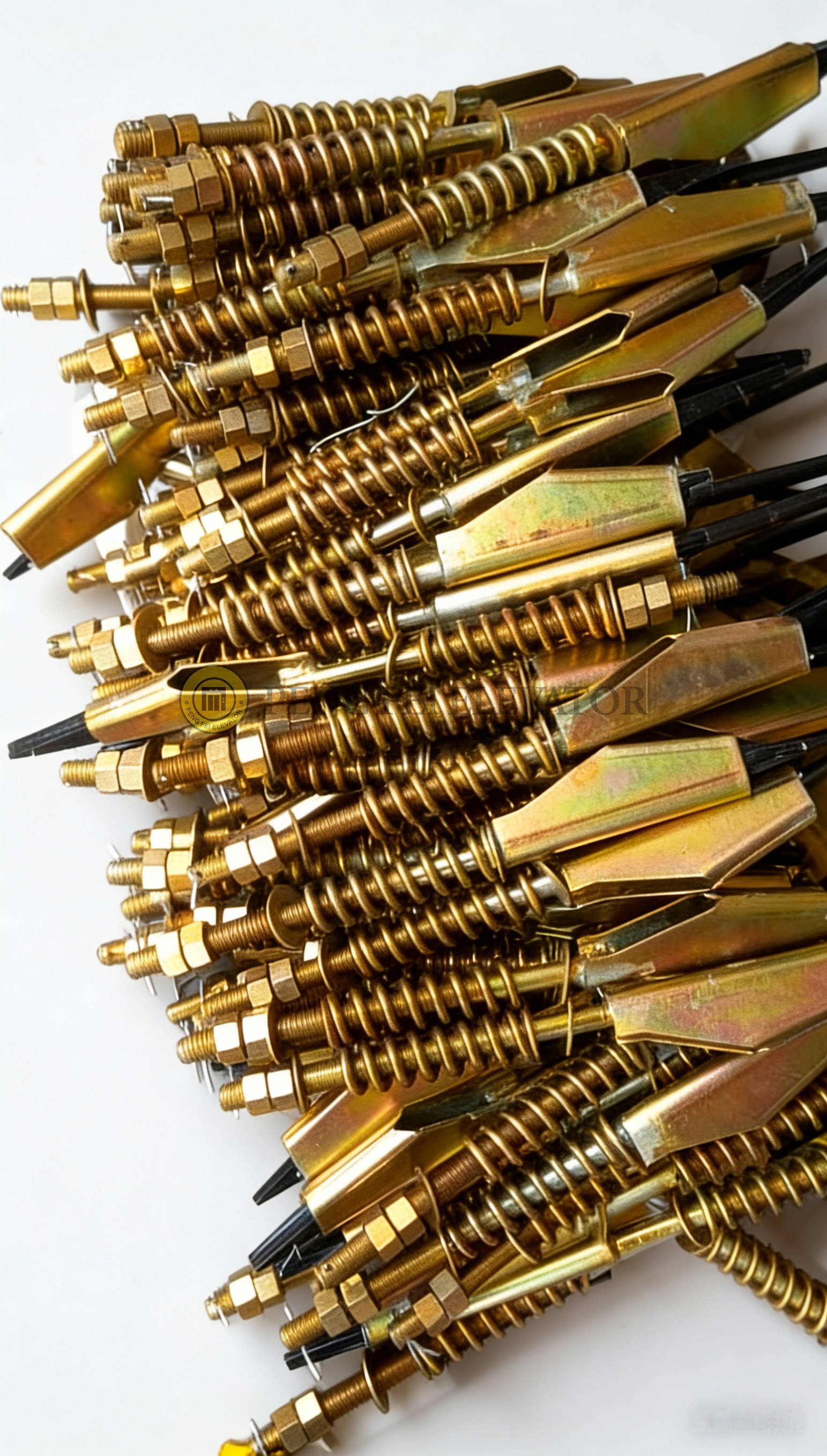
Elevator Installation Process: Step-by-Step Guide for Projects
Installing an elevator is a complex process that requires careful planning, precise execution, and coordination between multiple teams. Whether for residential, commercial, or industrial projects, understanding the elevator installation process helps ensure safety, efficiency, and cost control.
In this guide, we break down the elevator installation process step by step, so buyers, contractors, and project managers can better prepare for a successful project.
Step 1: Project Planning and Site Evaluation
The installation process begins with detailed planning.
Engineers assess the building structure, number of floors, shaft dimensions, and load requirements. This stage is critical for determining the type of elevator system and technical specifications.
Proper planning helps avoid design errors and ensures smooth installation later.
Step 2: Elevator Design and Customization
After site evaluation, the elevator system is designed based on project requirements.
This includes selecting the elevator type (traction, hydraulic, or MRL), load capacity, speed, and cabin design.
Customization options such as materials, control systems, and safety features are also finalized during this stage.
Step 3: Manufacturing and Equipment Preparation
Once the design is approved, production begins.
The elevator components, including the cabin, motor, control system, and door systems, are manufactured according to specifications.
Quality control checks are performed to ensure that all components meet safety and performance standards.
Step 4: Delivery and Site Preparation
Before installation, the site must be properly prepared.
This includes completing the elevator shaft, machine room (if required), and electrical systems.
At the same time, the elevator equipment is delivered to the site and inspected upon arrival.
Step 5: Mechanical Installation
The mechanical installation phase involves assembling the main components.
Guide rails are installed first to ensure proper alignment. The elevator car, counterweight system, and traction machine are then set up.
Door systems and safety components are also installed during this stage.
Step 6: Electrical Installation
After the mechanical setup, electrical systems are installed.
This includes wiring the control system, sensors, and safety devices.
Proper electrical installation ensures that the elevator operates smoothly and responds accurately to commands.
Step 7: Testing and Commissioning
Once installation is complete, the system undergoes thorough testing.
Engineers check all functions, including movement, door operation, safety systems, and emergency features.
Any issues are identified and resolved before the elevator is put into operation.
Step 8: Inspection and Certification
Before the elevator can be used, it must pass official inspections and meet local safety regulations.
Certification ensures that the system complies with all required standards.
This step is essential for legal operation and long-term safety.
Step 9: Maintenance and Handover
After successful testing and certification, the elevator is handed over to the building owner.
Maintenance guidelines and schedules are provided to ensure long-term performance.
Regular servicing is essential to keep the elevator operating safely and efficiently.
Choosing the Right Elevator Supplier
The success of the installation process depends heavily on the supplier.
A professional elevator supplier provides not only high-quality products but also technical support throughout the entire project.
Working with an experienced elevator manufacturer ensures smooth coordination, timely delivery, and reliable performance.
Conclusion
The elevator installation process involves multiple stages, from planning and design to testing and maintenance.
Understanding each step helps ensure a successful project and reduces the risk of delays or technical issues.
If you are planning an elevator installation, working with a reliable supplier will help you achieve a safe, efficient, and cost-effective solution.
Our company specializes in the R&D, manufacturing and sales of complete elevators of various types and a full range of core components for elevators and escalators. Our products cover a wide variety of elevator equipment, including high-end villa elevators, passenger elevators, freight elevators, dumbwaiters, etc. Core components for vertical elevators include main engine shock absorbers, car shock absorbers, guide shoes, rope hitches, traction sheaves, etc. Key escalator components include comb plates, side panels, friction wheels, drive wheels, step rollers, tension chains, heavy-duty step chains, pulley assemblies, etc. We can provide one-stop supporting solutions for major elevator and escalator brands at home and abroad.