Traction Elevator: How It Works and Why It’s Popular
Traction elevators are one of the most widely used elevator types in modern buildings. Known for their efficiency, speed, and reliability, they are commonly found in residential, commercial, and high-rise projects.
For buyers and project planners, understanding how traction elevators work and why they are so popular is essential when selecting the right system.
What is a Traction Elevator?
A traction elevator is a type of elevator that uses steel ropes or belts and a counterweight system to move the elevator car.
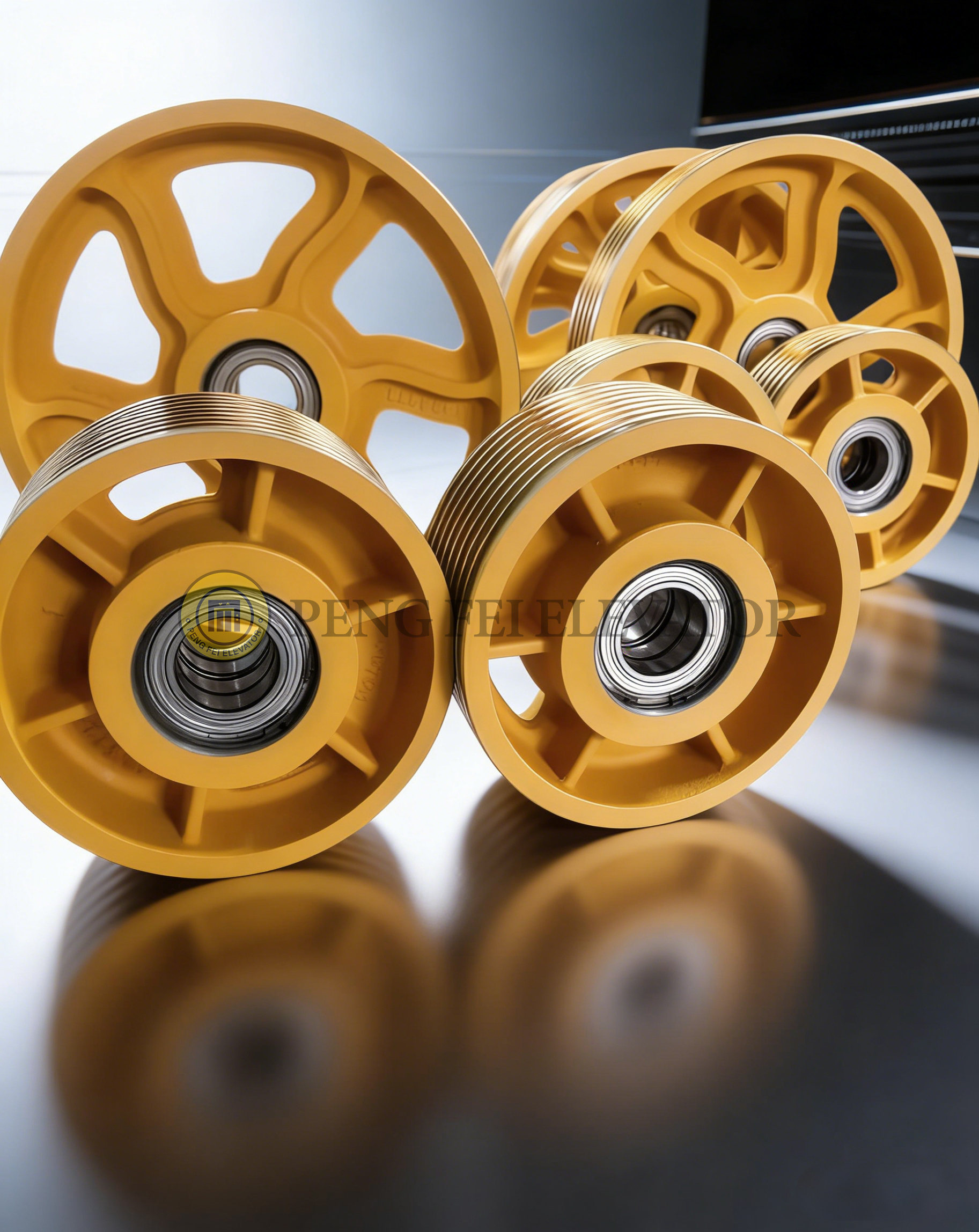
Unlike hydraulic elevators, traction systems rely on a motor-driven pulley (sheave) to lift and lower the cabin.
This design makes traction elevators more energy-efficient and suitable for taller buildings.
How Does a Traction Elevator Work?
The system operates using a motor connected to a sheave. Steel ropes or belts pass over the sheave, connecting the elevator car to a counterweight.
When the motor turns, it moves the ropes, causing the elevator car to go up or down.
The counterweight balances the load, reducing the amount of energy required to move the elevator.
This mechanism allows for smoother, faster, and more efficient operation compared to other systems.
Types of Traction Elevators
There are two main types of traction elevators.
Geared Traction Elevators
These use a gearbox to control speed and torque. They are cost-effective and commonly used in mid-rise buildings.
Gearless Traction Elevators
These operate without a gearbox, offering higher efficiency, lower noise, and better performance. They are widely used in high-rise and modern buildings.
Advantages of Traction Elevators
Traction elevators offer several important benefits.
Energy Efficiency
The counterweight system reduces energy consumption, making traction elevators more efficient than hydraulic systems.
High Speed
They can operate at higher speeds, which is essential for high-rise buildings.
Smooth Operation
Advanced control systems ensure smooth acceleration and deceleration.
Long-Term Performance
With proper maintenance, traction elevators provide reliable performance over many years.
Disadvantages of Traction Elevators
Despite their advantages, traction elevators also have some limitations.
The initial cost is usually higher compared to hydraulic systems.
Installation may be more complex, especially for projects requiring a machine room.
Regular maintenance is required to ensure optimal performance.
When Should You Choose a Traction Elevator?
Traction elevators are ideal for mid-rise and high-rise buildings where speed and efficiency are important.
They are commonly used in office buildings, hotels, shopping centers, and residential towers.
If your project requires high performance and long-term reliability, a traction elevator is often the best choice.
Choosing the Right Elevator Supplier
Selecting a reliable elevator supplier is essential to ensure system quality and performance.
A professional elevator manufacturer should offer advanced traction systems, customization options, and strong technical support.
Working with an experienced elevator parts supplier also ensures long-term maintenance and availability of components.
Conclusion
Traction elevators are a key solution for modern buildings due to their efficiency, speed, and reliability.
Understanding how they work and their advantages helps buyers choose the right system for their projects.
If you are looking for a reliable traction elevator supplier or need a customized solution, working with an experienced manufacturer will ensure the best results.
Our company specializes in the R&D, manufacturing and sales of complete elevators of various types and a full range of core components for elevators and escalators. Our products cover a wide variety of elevator equipment, including high-end villa elevators, passenger elevators, freight elevators, dumbwaiters, etc. Core components for vertical elevators include main engine shock absorbers, car shock absorbers, guide shoes, rope hitches, traction sheaves, etc. Key escalator components include comb plates, side panels, friction wheels, drive wheels, step rollers, tension chains, heavy-duty step chains, pulley assemblies, etc. We can provide one-stop supporting solutions for major elevator and escalator brands at home and abroad.