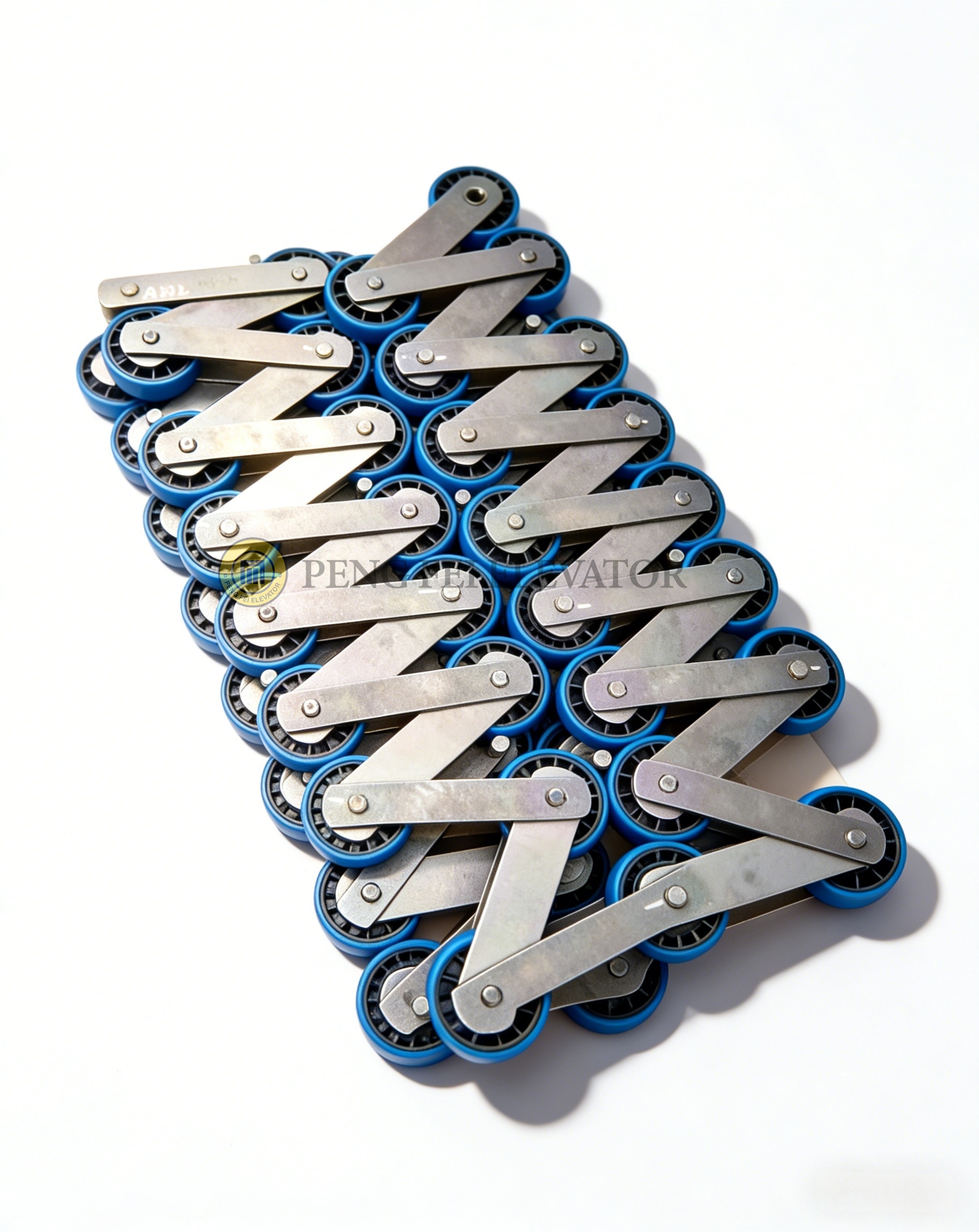
Freight Elevator: What It Is and How to Choose the Right One
Freight elevators play a crucial role in industrial and commercial environments where heavy goods and materials need to be transported efficiently between floors. Unlike passenger elevators, freight elevators are specifically designed for durability, load capacity, and long-term performance.
For factory owners, warehouse managers, and project developers, choosing the right freight elevator can significantly improve operational efficiency and reduce labor costs.
What is a Freight Elevator?
A freight elevator, also known as a cargo elevator, is designed to transport goods rather than passengers.
These elevators are commonly used in warehouses, manufacturing plants, logistics centers, and large commercial buildings.
They are built with strong materials and reinforced structures to handle heavy loads and frequent usage.
Key Features of Freight Elevators
Freight elevators differ from passenger elevators in several important ways.
High Load Capacity
Freight elevators are designed to carry heavy loads, often ranging from hundreds to several thousand kilograms.
Durable Construction
The cabin and components are built with reinforced steel and heavy-duty materials to withstand industrial environments.
Large Cabin Size
They provide enough space to transport bulky goods, pallets, and equipment.
Simple and Reliable Operation
Freight elevators focus on functionality and durability rather than speed and aesthetics.
Types of Freight Elevators
There are different types of freight elevators available depending on the application.
Hydraulic Freight Elevators
Suitable for low-rise buildings and heavy loads, offering smooth operation and lower installation costs.
Traction Freight Elevators
Used in mid-rise and high-rise buildings, providing better speed and efficiency.
MRL Freight Elevators
Designed to save space while maintaining performance, ideal for modern industrial projects.
How to Choose the Right Freight Elevator
Selecting the right freight elevator depends on several factors.
Load Requirements
Determine the maximum weight the elevator needs to carry. This is one of the most critical factors.
Building Height
Low-rise buildings may use hydraulic systems, while taller buildings require traction systems.
Usage Frequency
High-traffic environments require more durable and efficient systems.
Cabin Size and Design
Ensure the elevator can accommodate your goods, equipment, or pallets.
Installation Conditions
Consider available space, shaft design, and structural requirements.
Cost Considerations
The cost of a freight elevator depends on capacity, type, and customization.
Hydraulic systems are generally more affordable, while traction systems may have higher upfront costs but better long-term efficiency.
In addition to equipment cost, buyers should also consider installation, maintenance, and spare parts.
Working with a reliable elevator supplier can help optimize cost and provide better long-term value.
Choosing a Reliable Elevator Supplier
A professional elevator supplier should offer high-quality freight elevator solutions, customization options, and strong technical support.
Experience in industrial projects is especially important, as freight elevators require durable components and precise engineering.
A trusted elevator parts supplier ensures long-term maintenance support and availability of replacement components.
Conclusion
Freight elevators are essential for efficient material handling in industrial and commercial environments. Choosing the right system improves productivity, safety, and cost efficiency.
If you are looking for a reliable freight elevator supplier or need a customized solution for your project, working with an experienced manufacturer will help you achieve the best results.
Our company specializes in the R&D, manufacturing and sales of complete elevators of various types and a full range of core components for elevators and escalators. Our products cover a wide variety of elevator equipment, including high-end villa elevators, passenger elevators, freight elevators, dumbwaiters, etc. Core components for vertical elevators include main engine shock absorbers, car shock absorbers, guide shoes, rope hitches, traction sheaves, etc. Key escalator components include comb plates, side panels, friction wheels, drive wheels, step rollers, tension chains, heavy-duty step chains, pulley assemblies, etc. We can provide one-stop supporting solutions for major elevator and escalator brands at home and abroad.