How Long Do Elevators Last? Lifespan and Maintenance Guide
When investing in an elevator system, one of the most important questions buyers ask is: how long do elevators last? The lifespan of an elevator directly affects long-term costs, maintenance planning, and overall return on investment.
Understanding elevator durability and how to extend its service life can help building owners and project managers make better decisions.
Average Lifespan of Elevators
In general, most elevators have a lifespan of 20 to 30 years. However, this can vary depending on the type of elevator, usage frequency, and maintenance quality.
Passenger elevators in residential buildings may last longer due to moderate usage, while elevators in commercial or industrial environments may experience more wear and tear.
With proper maintenance and timely upgrades, some elevator systems can remain operational for more than 30 years.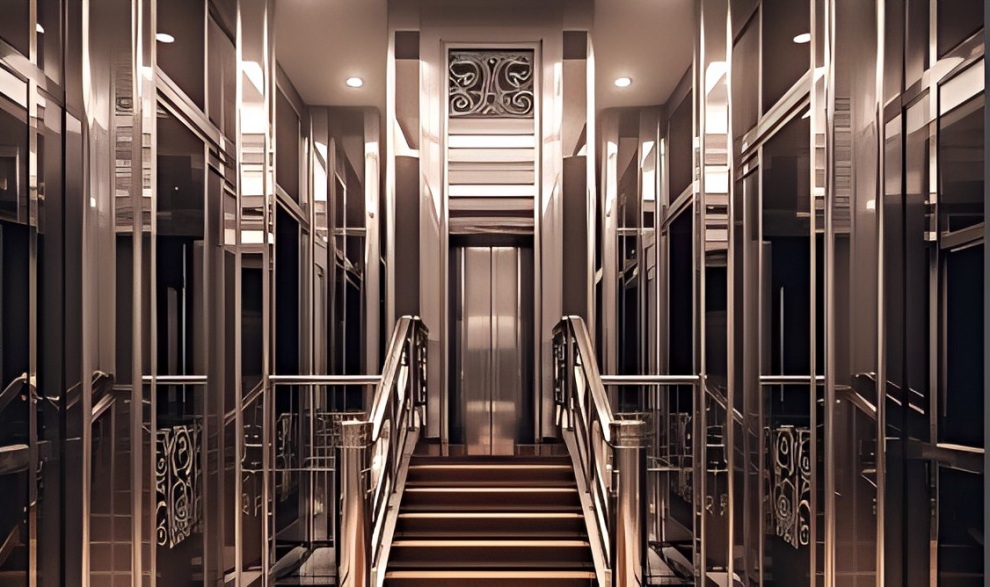
Key Factors That Affect Elevator Lifespan
Several factors influence how long an elevator will last.
Usage Frequency
Elevators in high-traffic buildings experience more cycles per day, which leads to faster wear of components.
Quality of Components
High-quality parts from a reliable elevator manufacturer can significantly extend system lifespan.
Installation Quality
Proper installation ensures that the system operates smoothly and reduces long-term mechanical stress.
Maintenance and Servicing
Regular maintenance is one of the most important factors in extending elevator life. Neglecting maintenance can lead to early failure.
Operating Environment
Dust, humidity, and temperature conditions can affect system performance, especially in industrial settings.
Signs That an Elevator Needs Replacement
Even with regular maintenance, elevators will eventually need to be upgraded or replaced.
Common signs include frequent breakdowns, unusual noises, slow operation, and outdated control systems.
Increasing maintenance costs can also indicate that the system is nearing the end of its lifespan.
In such cases, replacing or modernizing the elevator may be more cost-effective than continuous repairs.
How to Extend Elevator Lifespan
There are several ways to extend the service life of an elevator system.
Regular inspections and preventive maintenance are essential. This includes checking mechanical components, lubricating moving parts, and testing safety systems.
Upgrading key components such as the control system or motor can also improve performance and extend lifespan.
Working with a professional elevator parts supplier ensures access to high-quality replacement parts, which helps maintain system reliability.
The Role of a Reliable Elevator Supplier
Choosing the right elevator supplier plays a critical role in system longevity.
A professional elevator manufacturer provides durable components, proper installation, and long-term technical support.
Suppliers with strong after-sales service can help identify issues early and provide solutions before they become major problems.
This not only extends the life of the elevator but also reduces overall operating costs.
Maintenance vs Replacement: What to Choose?
In many cases, building owners face the decision between maintaining an existing elevator or replacing it.
If the system is still structurally sound, upgrading key components may be sufficient.
However, if the elevator is outdated or requires frequent repairs, investing in a new system may be more cost-effective in the long run.
A professional supplier can help evaluate your current system and recommend the best solution.
Conclusion
The lifespan of an elevator depends on multiple factors, including usage, maintenance, and component quality. While most elevators last 20 to 30 years, proper care can extend their service life significantly.
Understanding when to maintain, upgrade, or replace your elevator helps you manage costs and ensure safe operation.
If you are looking for a reliable elevator supplier or need support with maintenance and upgrades, working with an experienced manufacturer will help maximize the value of your investment.
Our company specializes in the R&D, manufacturing and sales of complete elevators of various types and a full range of core components for elevators and escalators. Our products cover a wide variety of elevator equipment, including high-end villa elevators, passenger elevators, freight elevators, dumbwaiters, etc. Core components for vertical elevators include main engine shock absorbers, car shock absorbers, guide shoes, rope hitches, traction sheaves, etc. Key escalator components include comb plates, side panels, friction wheels, drive wheels, step rollers, tension chains, heavy-duty step chains, pulley assemblies, etc. We can provide one-stop supporting solutions for major elevator and escalator brands at home and abroad.