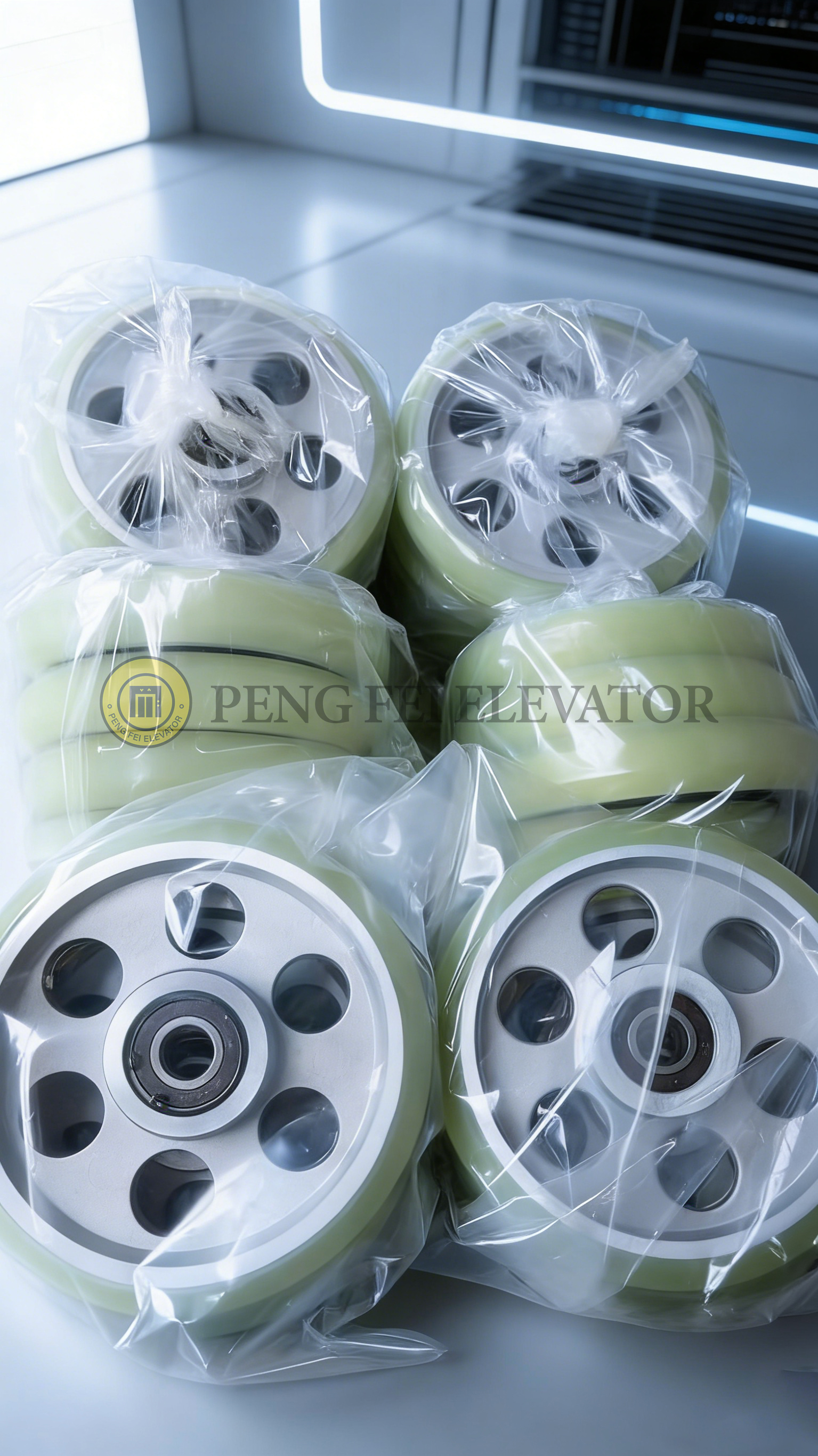
Elevator Maintenance Checklist: How to Keep Your Elevator Running Safely
Regular elevator maintenance is essential to ensure safety, efficiency, and long-term performance. Whether you are managing a residential building, commercial property, or industrial facility, a well-maintained elevator system reduces downtime and prevents costly repairs.
In this guide, we provide a complete elevator maintenance checklist to help you keep your system running smoothly and safely.
Why Elevator Maintenance Is Important
Elevators operate daily under heavy usage, which naturally leads to wear and tear. Without proper maintenance, small issues can quickly develop into major problems.
Routine maintenance helps extend the lifespan of the elevator, improve energy efficiency, and ensure compliance with safety regulations. It also minimizes unexpected breakdowns that can disrupt building operations.
Daily and Weekly Maintenance Checks
Basic inspections should be carried out regularly to identify visible issues early.
Check if the elevator doors open and close smoothly. Listen for unusual noises during operation, such as grinding or vibration. Ensure that buttons, indicators, and lighting systems are functioning properly.
It is also important to observe whether the elevator stops accurately at each floor. Any delay or misalignment could indicate underlying problems.
Monthly Maintenance Checklist
More detailed inspections should be performed on a monthly basis.
Inspect door sensors to ensure they are clean and properly aligned. Check the condition of cables, pulleys, and guide rails for signs of wear or damage.
Lubricate moving parts such as rollers and tracks to reduce friction and ensure smooth operation. Test the emergency alarm and communication system to confirm they are working correctly.
In addition, review the elevator control system to ensure it responds accurately to commands.
Quarterly and Annual Maintenance Tasks
Long-term maintenance requires more comprehensive checks.
Professional technicians should inspect the motor, braking system, and electrical components. Safety devices such as emergency brakes and overload protection systems must be tested regularly.
Software updates and system diagnostics may also be required for modern elevators with smart control systems.
Annual inspections should comply with local safety regulations and certification requirements.
Common Elevator Issues to Watch For
Even with regular maintenance, certain issues may still occur.
Slow door operation, unusual noises, and inconsistent movement are common warning signs. Ignoring these problems can lead to system failure or safety risks.
Early detection and timely repairs are key to avoiding major disruptions.
When to Contact a Professional Elevator Supplier
While basic maintenance can be handled by building staff, complex issues require professional support.
A reliable elevator supplier can provide technical expertise, system upgrades, and high-quality replacement parts. Working with an experienced elevator parts supplier ensures that your system remains efficient and safe over time.
Conclusion
A structured elevator maintenance plan is essential for ensuring safety, reliability, and long-term performance. By following a regular maintenance checklist, you can prevent unexpected failures and extend the life of your equipment.
If you are looking for a trusted elevator supplier or need professional maintenance support, partnering with an experienced provider will help you maintain optimal performance and safety.
Our company specializes in the R&D, manufacturing and sales of complete elevators of various types and a full range of core components for elevators and escalators. Our products cover a wide variety of elevator equipment, including high-end villa elevators, passenger elevators, freight elevators, dumbwaiters, etc. Core components for vertical elevators include main engine shock absorbers, car shock absorbers, guide shoes, rope hitches, traction sheaves, etc. Key escalator components include comb plates, side panels, friction wheels, drive wheels, step rollers, tension chains, heavy-duty step chains, pulley assemblies, etc. We can provide one-stop supporting solutions for major elevator and escalator brands at home and abroad.