Why Elevator Doors Are Not Closing? Common Causes and Solutions
Elevator door problems are among the most common issues in both residential and commercial buildings. One frequent concern users encounter is when elevator doors fail to close properly. This not only causes inconvenience but can also affect building operations and safety.
Understanding the reasons behind this problem can help building managers and maintenance teams take quick and effective action.
Common Reasons Why Elevator Doors Are Not Closing
There are several possible causes for elevator doors not closing. Identifying the root of the problem is the first step toward resolving it.
One of the most common reasons is obstruction. Elevator doors are equipped with safety sensors that detect objects or people in the doorway. If something blocks the sensor, even slightly, the door will remain open.
Another common issue is sensor malfunction. Over time, door sensors may become dirty, misaligned, or damaged. When this happens, the system may incorrectly detect an obstruction, preventing the doors from closing.
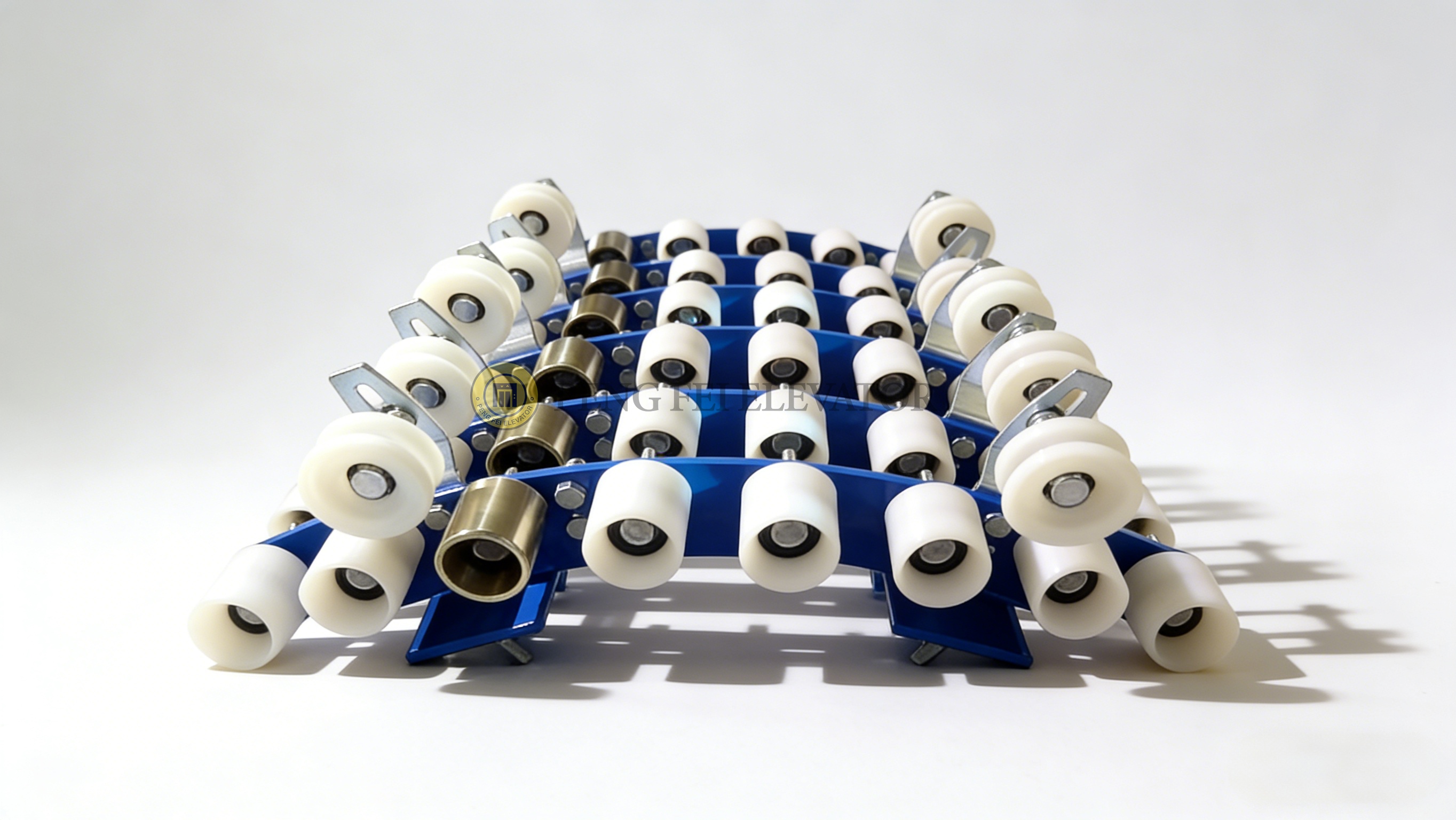
Mechanical wear and tear can also affect door operation. Components such as rollers, tracks, and door operators may become worn out after long-term use, leading to slow or failed door movement.
In some cases, control system errors may be responsible. Faults in the elevator control system can interfere with door operation and require professional inspection.
Environmental and External Factors
Environmental conditions can also impact elevator door performance. Dust, dirt, and debris can accumulate in door tracks, causing resistance and preventing smooth operation.
Humidity and temperature changes may also affect certain components, especially in industrial or outdoor environments.
Power supply issues can sometimes disrupt the normal functioning of elevator doors. Inconsistent voltage or temporary power failures may cause the system to reset or malfunction.
How to Fix Elevator Door Problems
The solution depends on the specific cause of the problem.
For minor issues such as obstruction, simply clearing the doorway can restore normal operation. Cleaning the door sensors and tracks can also improve performance.
If the problem is related to worn components, replacing parts such as rollers or door operators may be necessary. Regular maintenance can help prevent these issues before they occur.
For more complex problems involving the control system, it is recommended to contact a professional elevator technician or supplier. Attempting to fix advanced issues without proper expertise may lead to further damage.
Preventive Maintenance Tips
Preventive maintenance is the best way to avoid elevator door problems. Regular inspections ensure that all components are functioning properly.
Cleaning sensors, checking door alignment, and lubricating moving parts can significantly reduce the risk of failure. In addition, upgrading to modern elevator systems with advanced sensors can improve reliability.
Working with a trusted elevator parts supplier ensures access to high-quality replacement components, which helps maintain long-term performance.
When to Contact an Elevator Supplier
If elevator door problems occur frequently or cannot be resolved through basic troubleshooting, it is important to seek professional support.
A reliable elevator supplier or manufacturer can provide technical assistance, replacement parts, and system upgrades. This ensures that your elevator remains safe and efficient.
Conclusion
Elevator doors not closing is a common issue, but it can usually be resolved with proper diagnosis and maintenance. Understanding the causes and solutions helps reduce downtime and improve building operations.
If you are looking for a professional elevator supplier or need high-quality elevator parts, working with an experienced partner can help ensure reliable performance and long-term safety.
Our company specializes in the R&D, manufacturing and sales of complete elevators of various types and a full range of core components for elevators and escalators. Our products cover a wide variety of elevator equipment, including high-end villa elevators, passenger elevators, freight elevators, dumbwaiters, etc. Core components for vertical elevators include main engine shock absorbers, car shock absorbers, guide shoes, rope hitches, traction sheaves, etc. Key escalator components include comb plates, side panels, friction wheels, drive wheels, step rollers, tension chains, heavy-duty step chains, pulley assemblies, etc. We can provide one-stop supporting solutions for major elevator and escalator brands at home and abroad.