Escalator vs Moving Walkway: Key Differences and Applications
In modern public spaces, efficient vertical and horizontal transportation is essential. Two commonly used systems are escalators and moving walkways. While both systems move passengers, they serve different purposes and are designed for different environments.
Escalators are continuously moving stairs, designed to carry people between floors. They are typically installed in high-traffic locations like shopping malls, metro stations, airports, and office buildings. Escalators are capable of handling large passenger volumes and steep elevation changes efficiently.
Moving walkways, also known as travelators, are flat or slightly inclined conveyor belts that transport passengers over horizontal or gently sloped distances. They are commonly found in airports, convention centers, and long pedestrian corridors. Moving walkways reduce walking effort and speed up passenger movement across long distances.
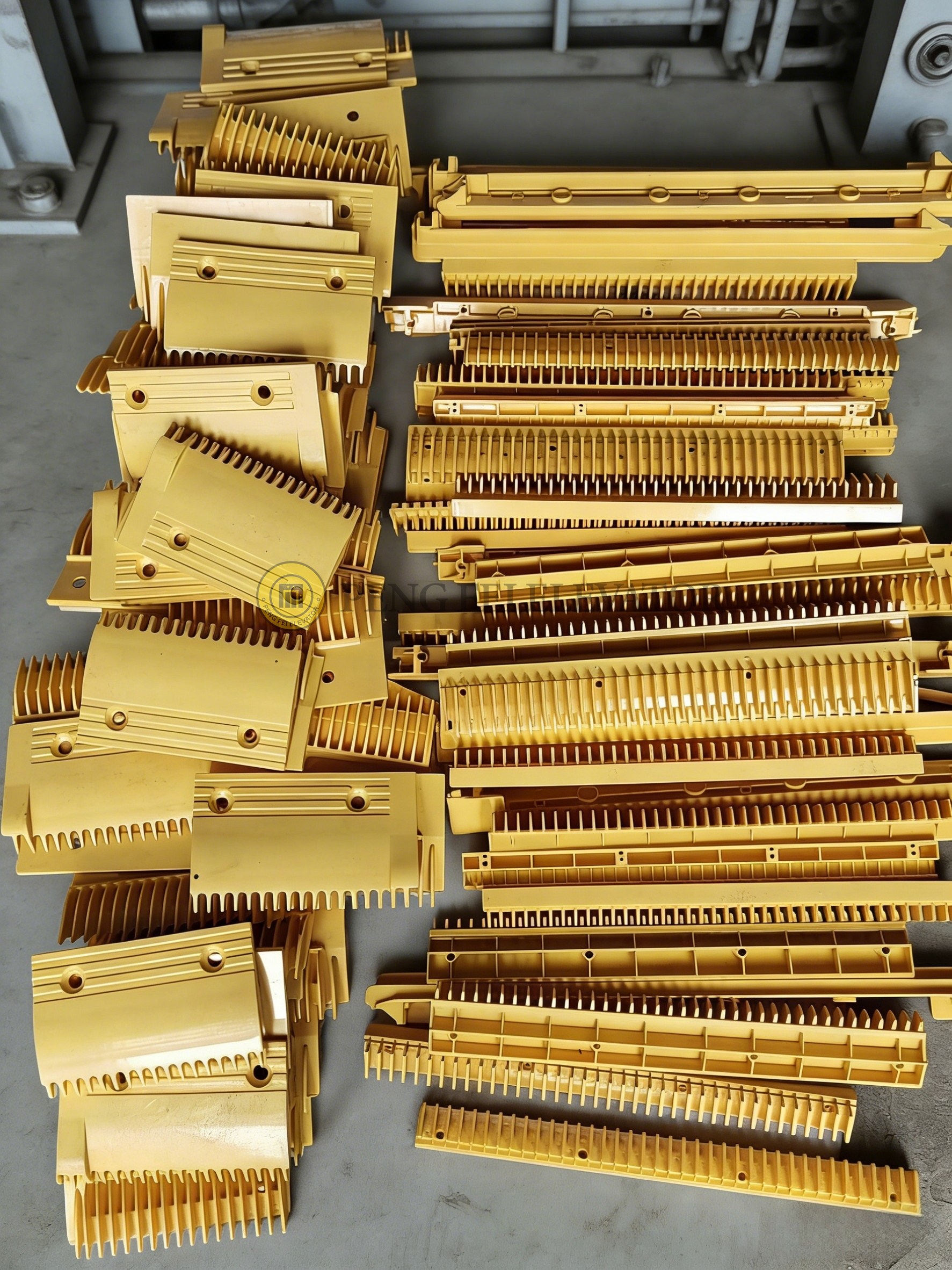
Maintenance and design considerations differ between the two. Escalators require inspection of step chains, handrails, drive systems, and comb plates, ensuring safety and smooth operation. Moving walkways focus more on belt tension, rollers, and end-drive mechanisms. Both require safety devices like emergency stop buttons and sensors to prevent accidents.
Selecting the right system depends on the application. Escalators are ideal for vertical transportation where floors are closely spaced, whereas moving walkways excel in environments where passengers need to cover long horizontal distances efficiently.
By understanding these differences, facility managers can design transport solutions that improve passenger flow, enhance safety, and optimize operational efficiency.
Our company specializes in the R&D, manufacturing and sales of complete elevators of various types and a full range of core components for elevators and escalators. Our products cover a wide variety of elevator equipment, including high-end villa elevators, passenger elevators, freight elevators, dumbwaiters, etc. Core components for vertical elevators include main engine shock absorbers, car shock absorbers, guide shoes, rope hitches, traction sheaves, etc. Key escalator components include comb plates, side panels, friction wheels, drive wheels, step rollers, tension chains, heavy-duty step chains, pulley assemblies, etc. We can provide one-stop supporting solutions for major elevator and escalator brands at home and abroad.