Hydraulic vs Traction Elevator: Which One Should You Choose?
Choosing the right elevator system is crucial for both commercial and industrial projects. Two of the most common types are hydraulic elevators and traction elevators, each offering unique advantages depending on the building height, usage frequency, and budget. Understanding the differences can help you make an informed decision.
Hydraulic elevators use a piston mechanism powered by hydraulic fluid to move the elevator car. They are generally ideal for low- to mid-rise buildings due to their simpler installation and lower initial cost. Hydraulic systems are known for smooth ride quality and a compact machine room requirement. Maintenance is relatively straightforward, focusing on fluid levels, cylinder integrity, and pump performance.
Traction elevators, on the other hand, are powered by ropes or belts driven over a traction sheave. These elevators are more suitable for mid- to high-rise buildings due to their higher speed and energy efficiency. Traction elevators can be further classified into geared and gearless systems, each offering different performance levels. Gearless traction elevators provide smoother rides and higher speeds, making them ideal for high-rise commercial towers.
One of the key differences between the two types is energy consumption. Hydraulic elevators tend to use more energy because they rely on a pump to lift the car, which requires continuous power. Traction elevators, especially gearless models, are more energy-efficient and environmentally friendly.
Maintenance requirements also vary. Hydraulic systems require periodic inspection of the hydraulic fluid, cylinders, and seals, while traction elevators need regular checks on ropes, sheaves, and brake systems. Both systems have their own safety protocols, including overspeed governors and safety gears.
Ultimately, the choice between hydraulic and traction elevators depends on building height, traffic requirements, and budget considerations. Low-rise buildings may benefit from the cost-effectiveness of hydraulic systems, while high-rise projects will often require the speed, efficiency, and smooth operation of traction elevators.
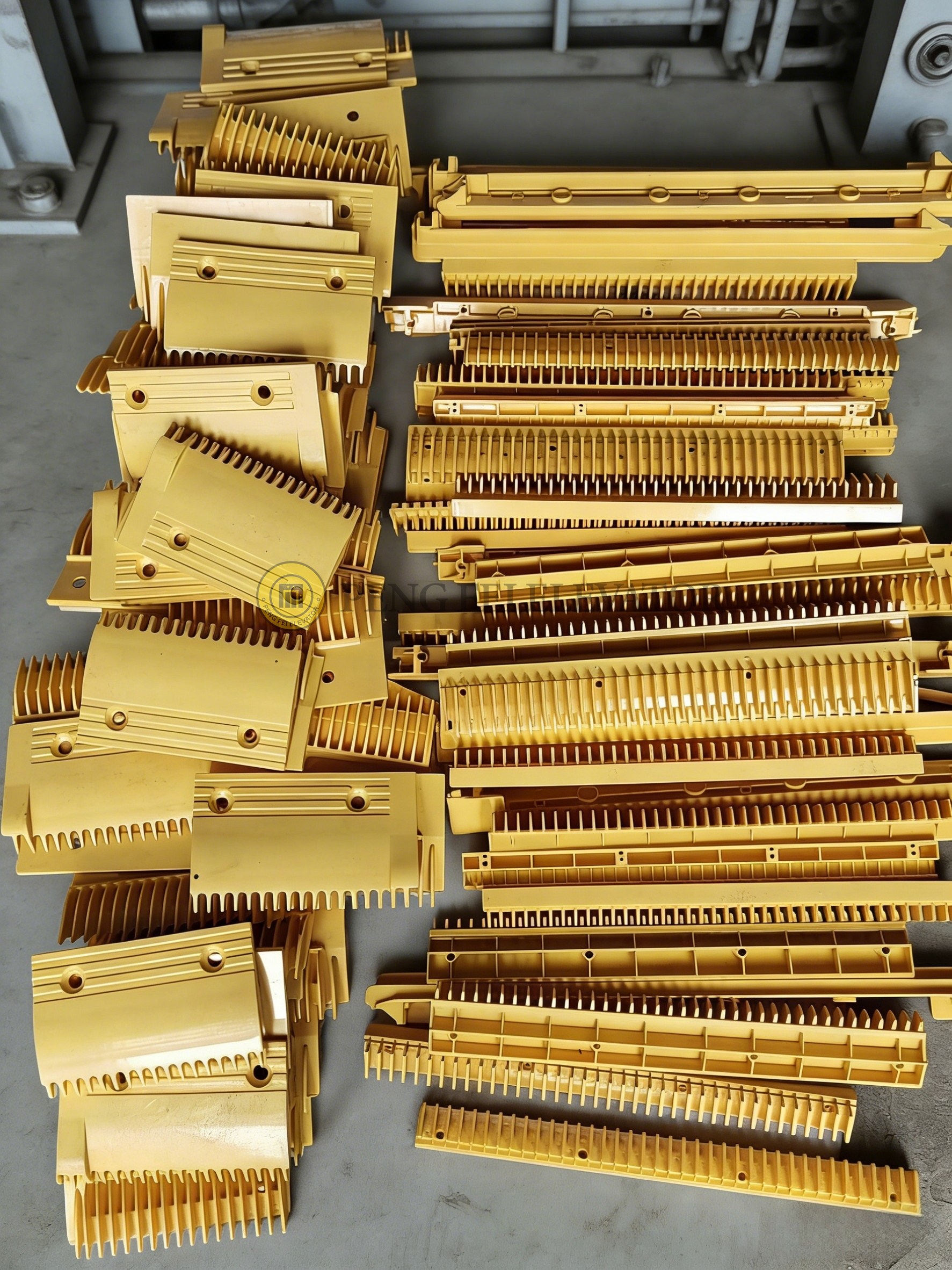
Our company specializes in the R&D, manufacturing and sales of complete elevators of various types and a full range of core components for elevators and escalators. Our products cover a wide variety of elevator equipment, including high-end villa elevators, passenger elevators, freight elevators, dumbwaiters, etc. Core components for vertical elevators include main engine shock absorbers, car shock absorbers, guide shoes, rope hitches, traction sheaves, etc. Key escalator components include comb plates, side panels, friction wheels, drive wheels, step rollers, tension chains, heavy-duty step chains, pulley assemblies, etc. We can provide one-stop supporting solutions for major elevator and escalator brands at home and abroad.