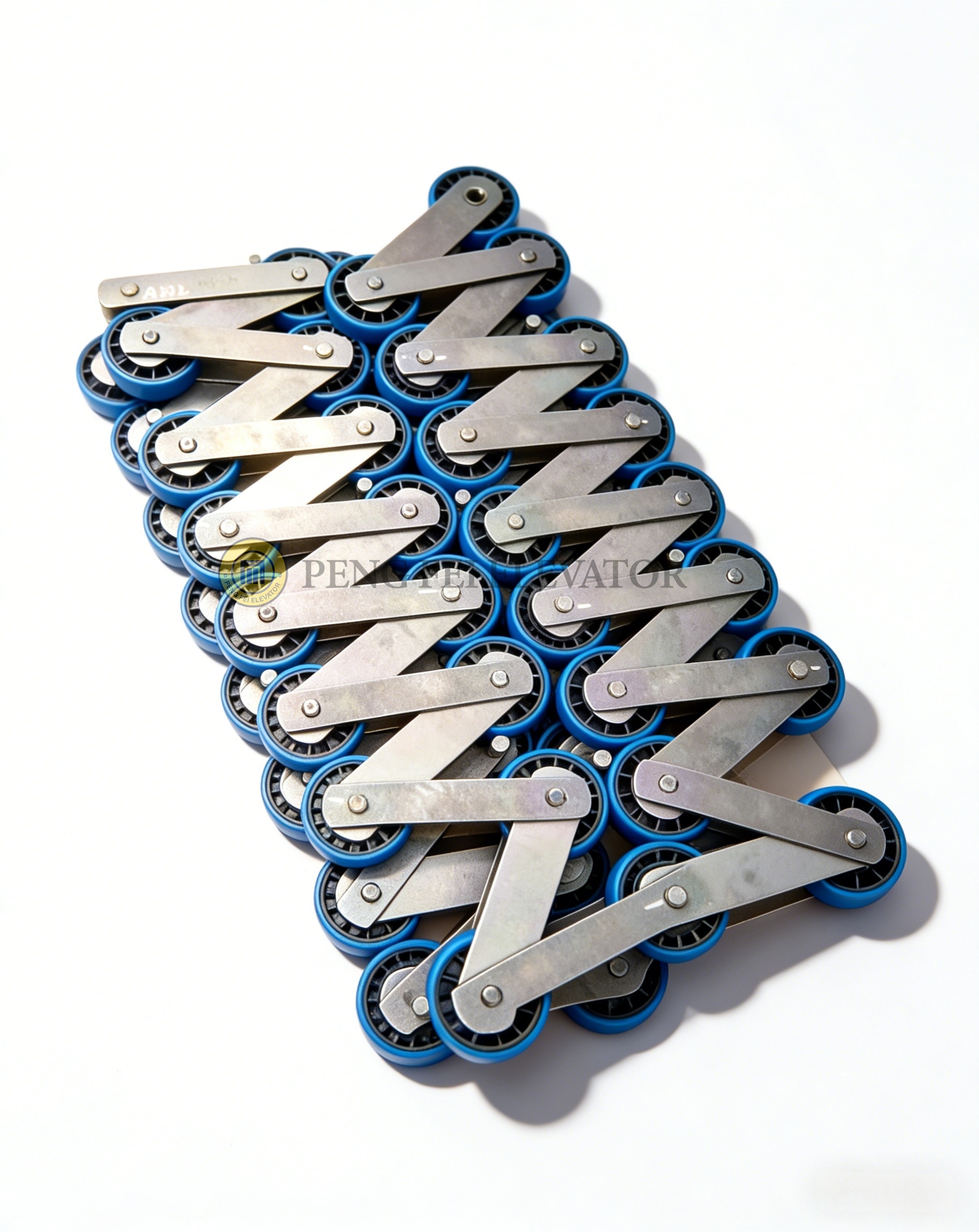
Modern Elevator Interior Design Trends for Commercial and Residential Buildings
Elevator interiors have evolved from purely functional spaces into important elements of architectural design. In modern buildings, elevator cabins contribute to the overall aesthetic and user experience. Understanding current trends in elevator interior design helps developers, architects, and suppliers create visually appealing and functional spaces.
One of the most prominent trends is the use of minimalist design. Clean lines, neutral colors, and simple materials create a modern and elegant appearance. Stainless steel panels with brushed or matte finishes are widely used for their durability and timeless look.
Glass is another popular material in modern elevator interiors. Transparent or semi-transparent panels create a sense of openness and allow natural light to enhance the cabin environment. Glass elements are often combined with metal frames to achieve both strength and aesthetic appeal.
Lighting design plays a crucial role in shaping the interior atmosphere. LED lighting systems are commonly used due to their energy efficiency and flexibility. Indirect lighting, ceiling panels, and integrated light strips can create a soft and comfortable environment for passengers.
Customization is increasingly important in elevator design. Building owners and designers often seek unique interiors that reflect brand identity or architectural themes. Custom patterns, textures, and finishes allow for a wide range of design possibilities, from luxury to industrial styles.
Durability and maintenance considerations remain essential. Elevator cabins are subject to frequent use, making resistance to scratches, impacts, and wear a priority. Materials with protective coatings or anti-fingerprint surfaces help maintain a clean and attractive appearance over time.
Sustainability is also influencing design choices. Eco-friendly materials and low-emission finishes are becoming more common, supporting green building standards and environmental goals. Recyclable materials and energy-efficient lighting contribute to sustainable design practices.
Accessibility and user comfort are key factors in modern elevator interiors. Proper lighting levels, intuitive control panels, and ergonomic design improve usability for all passengers, including those with disabilities. Anti-slip flooring and clear signage enhance safety and convenience.
Acoustic performance is another consideration. Sound-absorbing materials can reduce noise levels within the cabin, creating a quieter and more pleasant experience, especially in high-traffic buildings.
In summary, modern elevator interior design focuses on aesthetics, functionality, durability, and sustainability. By combining advanced materials, innovative lighting, and customizable elements, elevator cabins can enhance both the visual appeal and user experience of modern buildings.
Our company specializes in the R&D, manufacturing and sales of complete elevators of various types and a full range of core components for elevators and escalators. Our products cover a wide variety of elevator equipment, including high-end villa elevators, passenger elevators, freight elevators, dumbwaiters, etc. Core components for vertical elevators include main engine shock absorbers, car shock absorbers, guide shoes, rope hitches, traction sheaves, etc. Key escalator components include comb plates, side panels, friction wheels, drive wheels, step rollers, tension chains, heavy-duty step chains, pulley assemblies, etc. We can provide one-stop supporting solutions for major elevator and escalator brands at home and abroad.