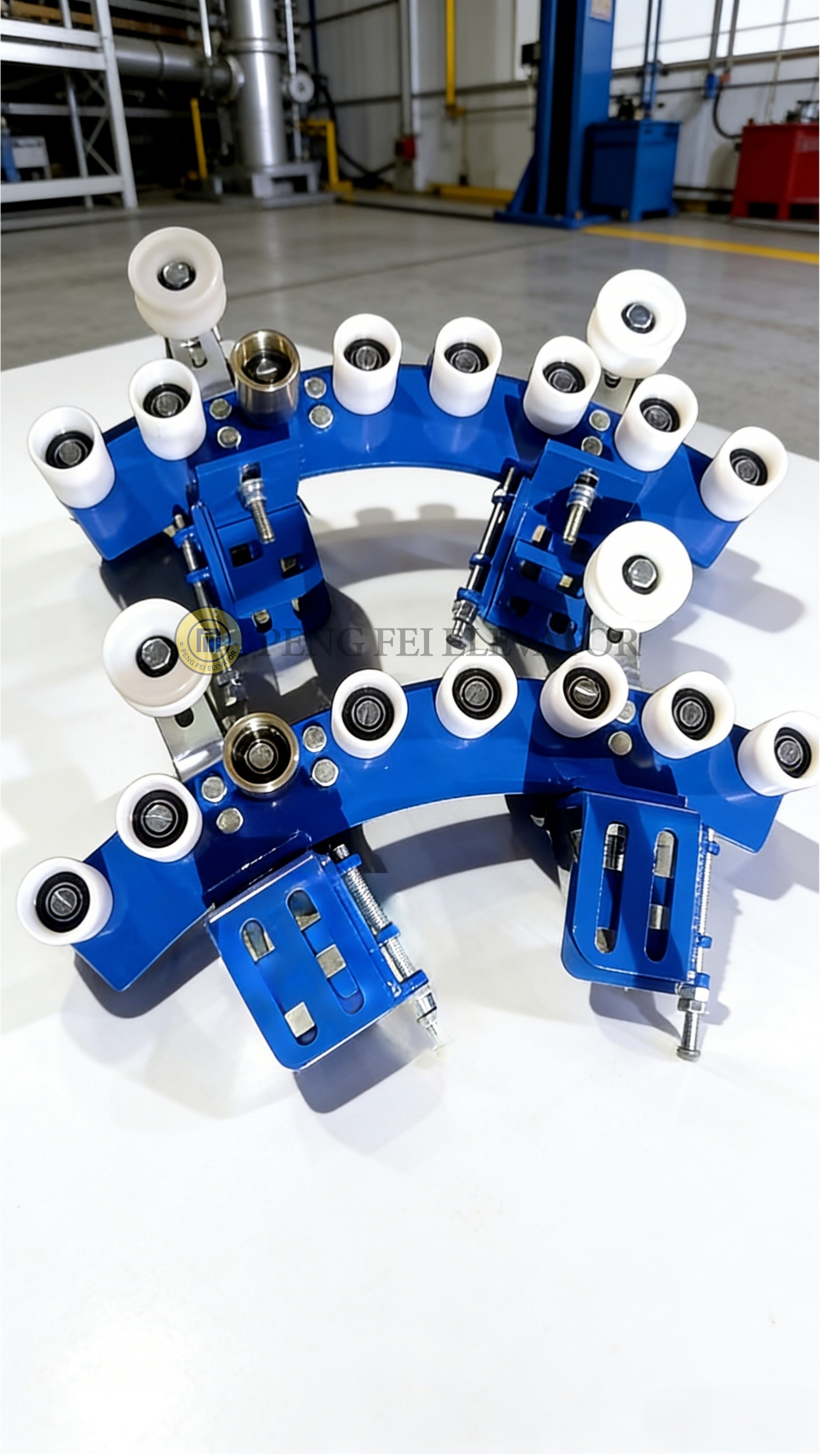
Escalator Step Chain Maintenance Guide for Long-Term Performance
The step chain is one of the most critical components in an escalator system, responsible for driving the continuous movement of steps. Its performance directly affects the safety, stability, and lifespan of the escalator. Proper maintenance of the escalator step chain is essential to ensure reliable operation and minimize downtime in commercial and public environments.
The step chain operates under constant load and motion, making it subject to wear and fatigue over time. It connects the steps and moves along the guide tracks, driven by the main motor system. Due to continuous operation, especially in high-traffic locations such as shopping malls and transit stations, the chain experiences significant mechanical stress.
One of the primary maintenance tasks is regular inspection. Technicians should check for signs of wear, elongation, and misalignment. Chain elongation is a common issue caused by prolonged use, which can lead to improper synchronization between steps. Early detection helps prevent further damage and ensures smooth operation.
Lubrication is another key factor in maintaining step chain performance. Proper lubrication reduces friction between chain links and minimizes wear. High-quality industrial lubricants should be used to ensure consistent performance under varying load and temperature conditions. Over-lubrication should also be avoided, as it may attract dust and debris.
Tension adjustment is critical for ensuring proper chain operation. Incorrect tension can lead to excessive wear or even chain failure. Regular adjustment based on manufacturer specifications helps maintain optimal performance and reduces the risk of unexpected breakdowns.
Alignment of the step chain and sprockets is equally important. Misalignment can cause uneven wear and increase mechanical stress on the system. Ensuring that all components are properly aligned improves efficiency and extends the service life of the escalator.
Environmental factors also play a role in maintenance requirements. Escalators installed in outdoor or semi-outdoor environments are exposed to dust, moisture, and temperature variations. These conditions can accelerate wear and require more frequent inspection and maintenance.
Modern escalator systems may incorporate monitoring technologies that help detect issues in real time. Sensors can identify abnormal vibrations or irregular movement, allowing for predictive maintenance and reducing downtime.
In addition to routine maintenance, proper installation and high-quality components are essential for long-term reliability. Using standardized parts and following technical guidelines ensures consistent performance.
In conclusion, effective escalator step chain maintenance involves regular inspection, proper lubrication, accurate tension adjustment, and alignment control. By implementing a comprehensive maintenance strategy, operators can enhance safety, reduce downtime, and extend the lifespan of escalator systems.
Our company specializes in the R&D, manufacturing and sales of complete elevators of various types and a full range of core components for elevators and escalators. Our products cover a wide variety of elevator equipment, including high-end villa elevators, passenger elevators, freight elevators, dumbwaiters, etc. Core components for vertical elevators include main engine shock absorbers, car shock absorbers, guide shoes, rope hitches, traction sheaves, etc. Key escalator components include comb plates, side panels, friction wheels, drive wheels, step rollers, tension chains, heavy-duty step chains, pulley assemblies, etc. We can provide one-stop supporting solutions for major elevator and escalator brands at home and abroad.