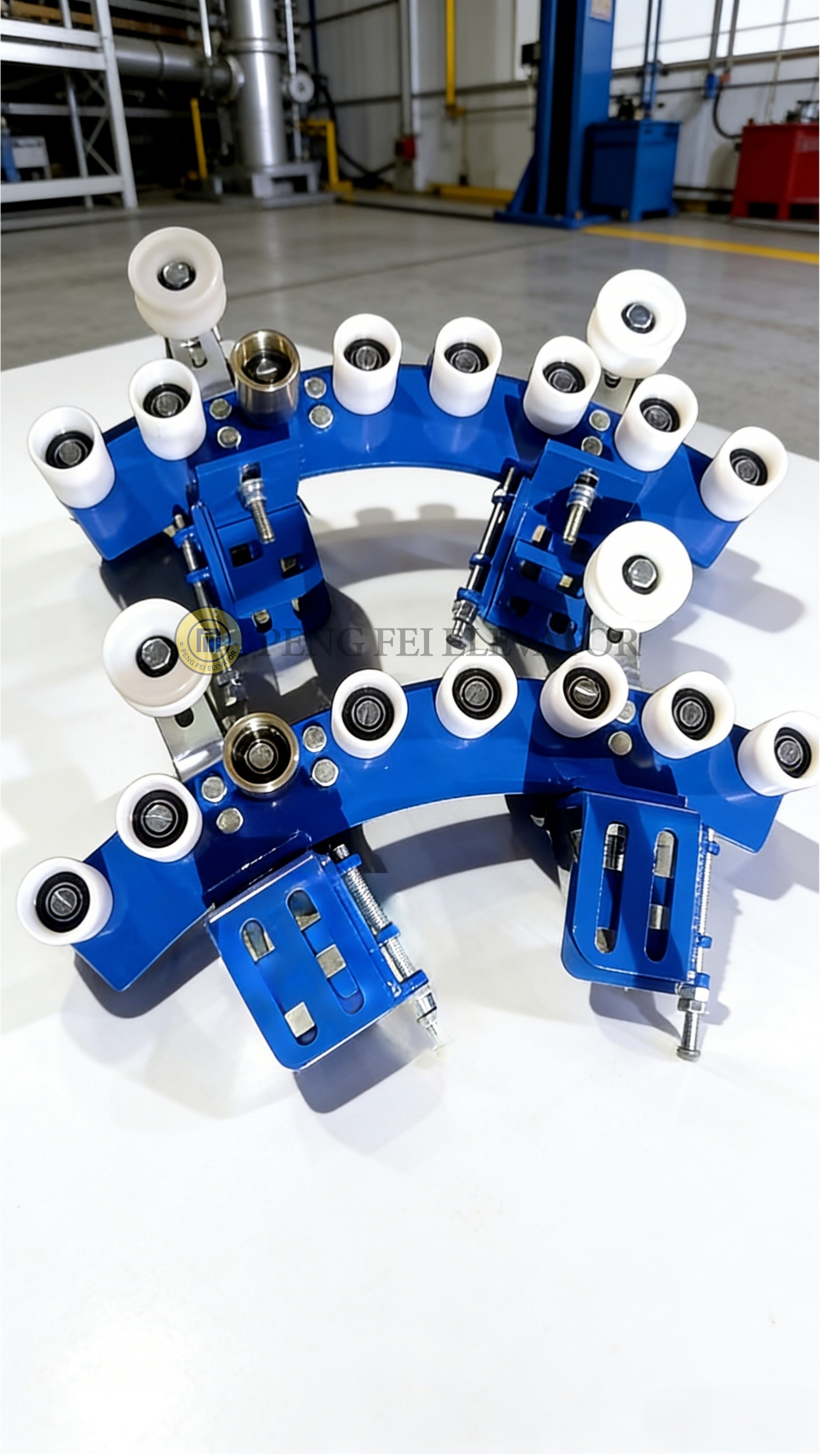
Energy-Saving Elevator Door System Upgrade Solutions
As energy efficiency becomes a priority in modern buildings, upgrading elevator systems is an effective way to reduce operational costs and environmental impact. Among all elevator components, the door system plays a significant role in energy consumption and overall performance. An energy-saving elevator door system not only improves efficiency but also enhances safety and user experience.
The elevator door system consists of several key components, including the door operator, panels, tracks, sensors, and control units. Traditional systems often suffer from inefficiencies such as slow operation, excessive friction, and outdated control mechanisms. These factors can lead to increased energy consumption and higher maintenance requirements over time.
One of the most important aspects of upgrading to an energy-saving elevator door system is the adoption of advanced motor technology. Modern door operators use variable frequency drive (VFD) systems, which allow smooth acceleration and deceleration. This reduces power consumption while minimizing mechanical wear. Compared to conventional systems, VFD-driven door operators can significantly improve efficiency and extend service life.
Another critical factor is the use of lightweight and durable materials. Door panels made from aluminum alloys or composite materials reduce the load on the motor, resulting in lower energy usage. At the same time, these materials offer high durability and resistance to corrosion, making them suitable for various environmental conditions.
Sensor technology also plays a key role in optimizing door performance. Advanced infrared or laser sensors ensure accurate detection of passengers, reducing unnecessary door movements and improving safety. Efficient sensor systems contribute to shorter opening and closing cycles, which in turn reduces overall energy consumption.
In addition to hardware improvements, intelligent control systems are essential for achieving energy efficiency. Smart controllers can optimize door operation based on traffic patterns, minimizing idle time and unnecessary movements. For example, in high-traffic buildings, the system can adjust door speed and timing to handle peak usage efficiently.
Maintenance considerations are equally important when upgrading door systems. Energy-efficient designs often incorporate modular components, allowing easier replacement and reduced downtime. Regular inspection of tracks, rollers, and sensors ensures that the system continues to operate at optimal efficiency.
From an international perspective, energy-saving elevator door systems must comply with regional standards and regulations. Ensuring compatibility with safety requirements in different markets is essential for successful deployment and long-term reliability.
In conclusion, upgrading to an energy-saving elevator door system is a practical and effective way to enhance performance, reduce energy consumption, and improve safety. By integrating advanced motor technology, lightweight materials, intelligent controls, and efficient sensors, building operators can achieve both economic and environmental benefits.
Our company specializes in the R&D, manufacturing and sales of complete elevators of various types and a full range of core components for elevators and escalators. Our products cover a wide variety of elevator equipment, including high-end villa elevators, passenger elevators, freight elevators, dumbwaiters, etc. Core components for vertical elevators include main engine shock absorbers, car shock absorbers, guide shoes, rope hitches, traction sheaves, etc. Key escalator components include comb plates, side panels, friction wheels, drive wheels, step rollers, tension chains, heavy-duty step chains, pulley assemblies, etc. We can provide one-stop supporting solutions for major elevator and escalator brands at home and abroad.