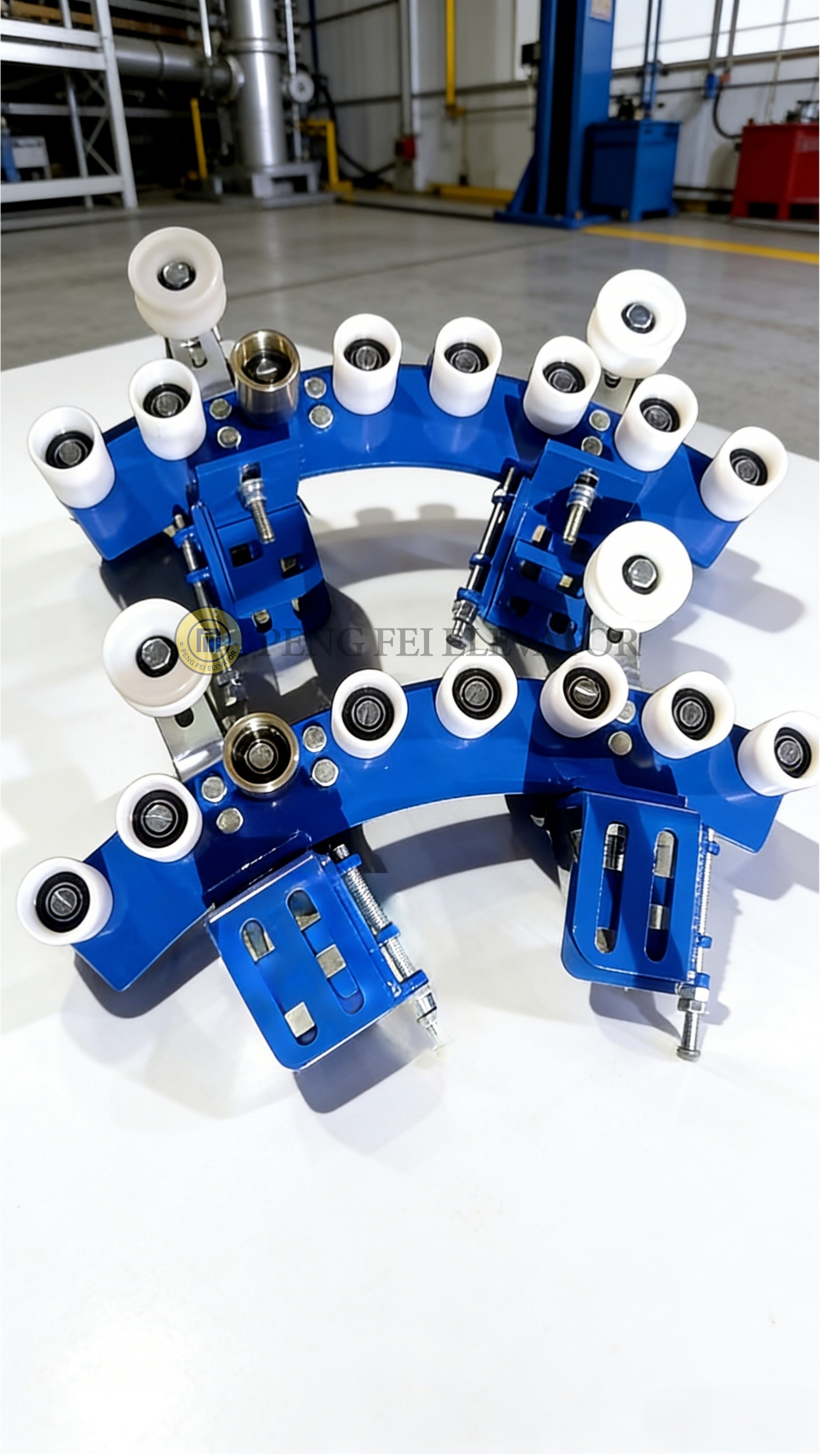
Maintenance and Inspection of Elevator Guide Rail Joint Plates
Elevator guide rail joint plates are critical for ensuring continuous, stable rail alignment. Regular maintenance and inspection are necessary to prevent misalignment, wear, or structural damage that can impact elevator performance and safety.
Routine inspections begin with a visual check of each joint plate. Technicians look for cracks, corrosion, deformation, or signs of fatigue. Even minor damage can compromise rail stability over time, so early detection is key.
Alignment verification is another essential step. Joint plates must keep guide rails perfectly aligned to avoid vibration, noise, and uneven wear on rollers and guide shoes. Precision measuring tools are used to ensure vertical and lateral alignment.
Fasteners such as bolts or anchors are also inspected for tightness. Vibrations and dynamic loads can loosen hardware over time. Retightening or replacing compromised fasteners ensures joint integrity.
Environmental factors play a role in plate condition. Moisture, dust, and temperature fluctuations can cause corrosion or reduce the lifespan of components. Protective coatings, regular cleaning, and controlled environments help mitigate these risks.
Lubrication may be necessary for joint plates with sliding or adjustable components. Proper lubrication reduces friction, prevents wear, and ensures smooth operation.
Finally, documentation of inspection results, adjustments, and repairs helps maintain a record of system health. Tracking trends allows for proactive maintenance and reduces the likelihood of unexpected failures.
A well-maintained guide rail joint plate ensures safe and smooth elevator operation, extending the lifespan of the guide rails and other components.
Our company specializes in the R&D, manufacturing and sales of complete elevators of various types and a full range of core components for elevators and escalators. Our products cover a wide variety of elevator equipment, including high-end villa elevators, passenger elevators, freight elevators, dumbwaiters, etc. Core components for vertical elevators include main engine shock absorbers, car shock absorbers, guide shoes, rope hitches, traction sheaves, etc. Key escalator components include comb plates, side panels, friction wheels, drive wheels, step rollers, tension chains, heavy-duty step chains, pulley assemblies, etc. We can provide one-stop supporting solutions for major elevator and escalator brands at home and abroad.