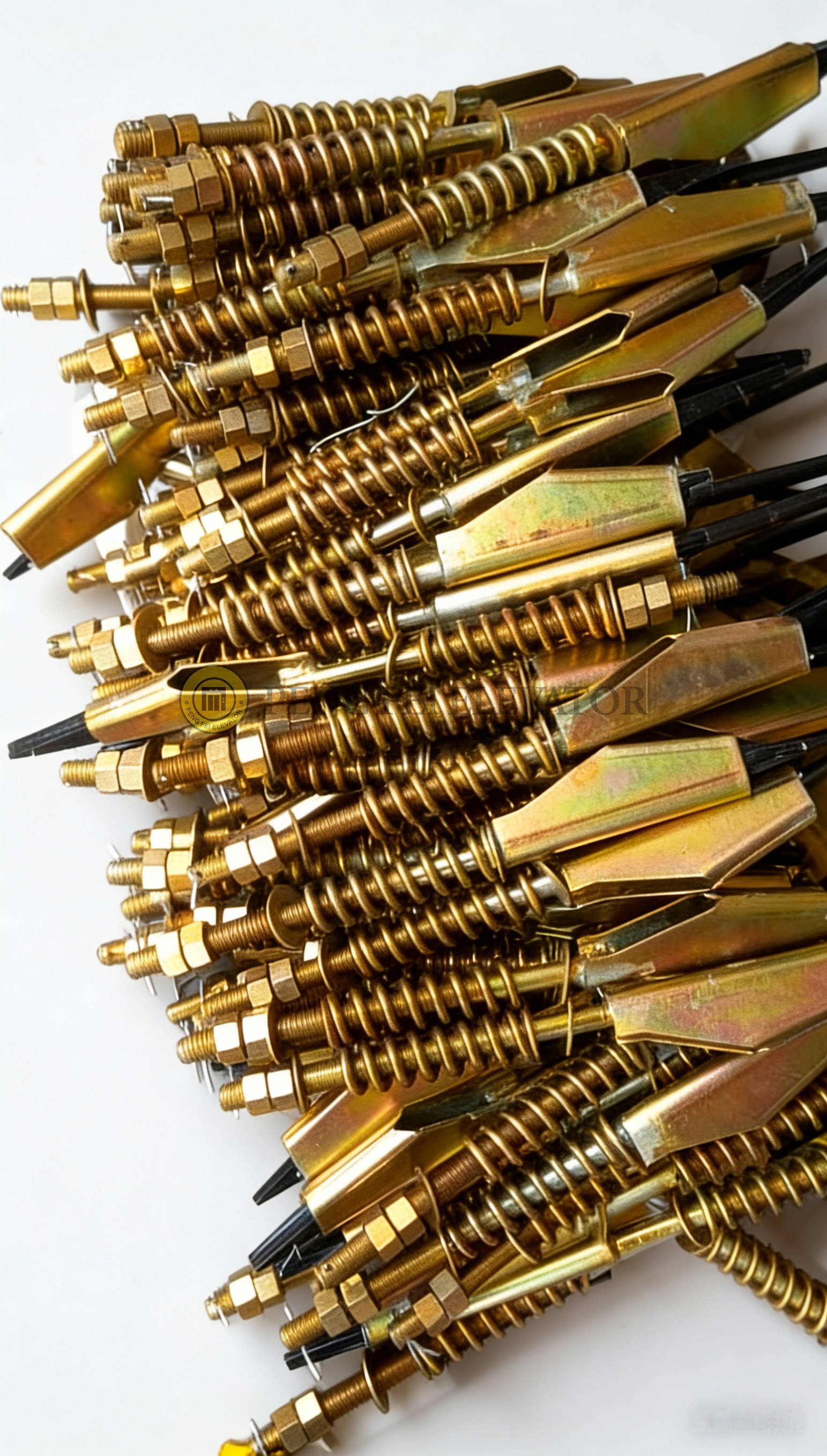
Types of Elevator Rope Fastening Systems and Their Applications
Elevator rope fastening systems are essential components that ensure the secure connection between steel wire ropes and elevator structures. These systems are designed to handle high loads while maintaining long-term stability and safety. Over the years, different types of rope fastening methods have been developed to meet various elevator requirements.
One of the most widely used fastening systems is the wedge socket. This type of fastening device relies on a mechanical gripping principle. The rope is inserted into a socket along with a wedge, and as tension is applied, the wedge is pulled deeper into the socket, increasing the grip force. This self-tightening mechanism makes wedge sockets highly reliable and easy to install.
Another common type is the resin socket fastening system. In this design, the end of the wire rope is inserted into a metal socket and filled with a special resin compound. Once the resin cures, it forms a strong bond with the rope wires, creating a permanent connection. Resin sockets are known for their high strength and are often used in heavy-duty elevator systems.
The swaged socket is another option, where the rope end is mechanically compressed into a fitting using specialized equipment. This creates a compact and strong connection that is suitable for applications requiring precise dimensions and high reliability.
In some cases, clamp-based fastening systems are used. These involve multiple clamps that secure the rope by applying pressure along its length. While not as commonly used in modern elevators, they can still be found in certain maintenance or temporary applications.
Each fastening type has its own advantages and is selected based on factors such as load requirements, installation conditions, and maintenance preferences. For example, wedge sockets are often preferred for their ease of installation and adjustability, while resin sockets are chosen for their high strength and durability.
Material quality plays a key role in all types of fastening systems. High-strength steel components ensure that the fastening device can withstand repeated loading cycles without deformation or failure.
Manufacturers must also ensure that their fastening systems comply with international standards such as EN and ISO requirements. These standards define safety factors, testing procedures, and material specifications to ensure consistent performance.
Choosing the right rope fastening system is critical for elevator safety and performance. Engineers must carefully evaluate the specific requirements of each elevator project before selecting the appropriate fastening method.
With ongoing advancements in materials and engineering design, rope fastening systems continue to improve, offering greater reliability and longer service life in modern elevator applications.
Our company specializes in the R&D, manufacturing and sales of complete elevators of various types and a full range of core components for elevators and escalators. Our products cover a wide variety of elevator equipment, including high-end villa elevators, passenger elevators, freight elevators, dumbwaiters, etc. Core components for vertical elevators include main engine shock absorbers, car shock absorbers, guide shoes, rope hitches, traction sheaves, etc. Key escalator components include comb plates, side panels, friction wheels, drive wheels, step rollers, tension chains, heavy-duty step chains, pulley assemblies, etc. We can provide one-stop supporting solutions for major elevator and escalator brands at home and abroad.