Future Innovations in Elevator Traction Wheel Technology
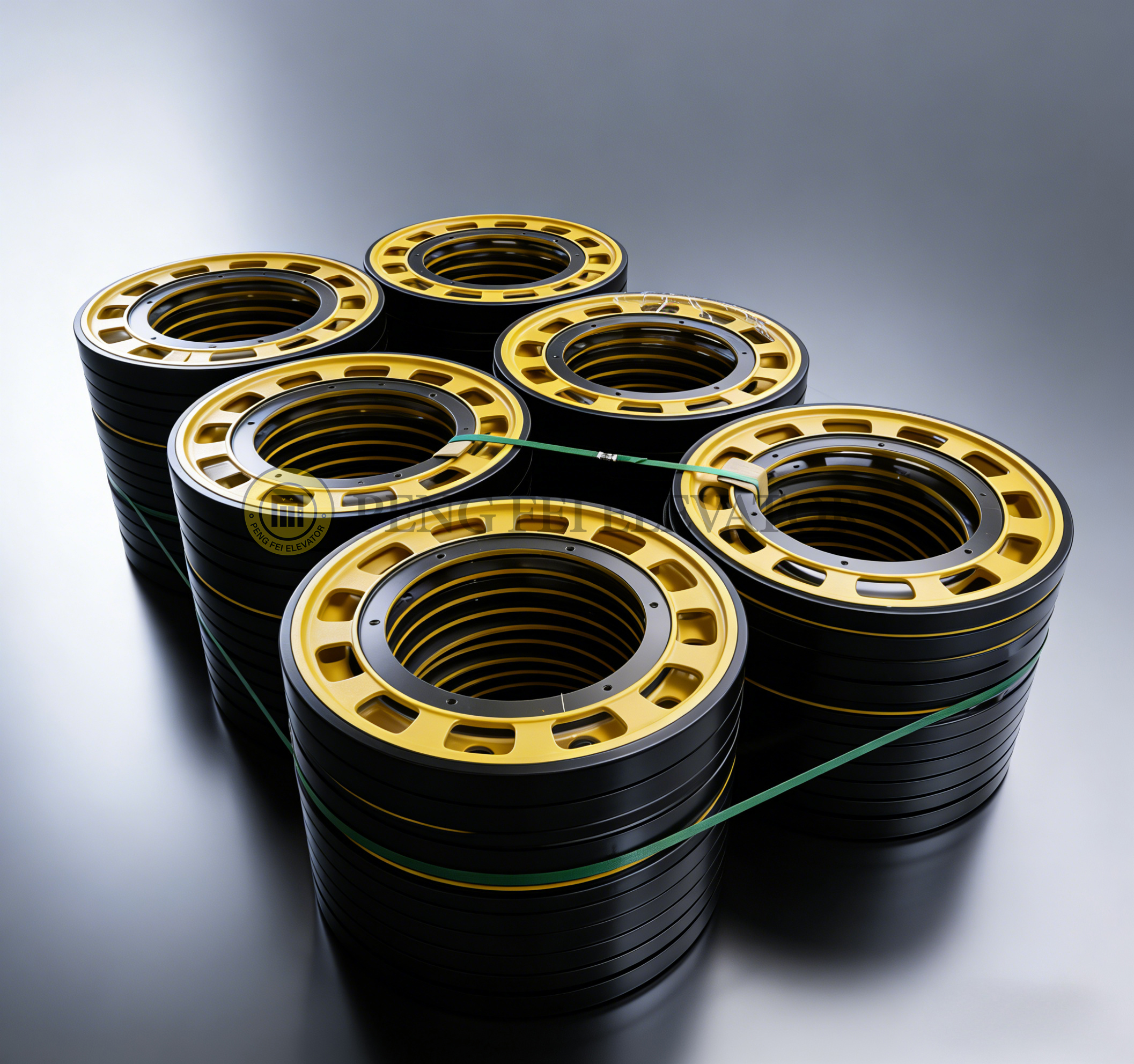
As cities continue to grow and buildings become taller, elevator systems must evolve to meet increasing transportation demands. One component that continues to benefit from technological innovation is the elevator traction wheel. Advances in materials, manufacturing methods, and engineering design are shaping the future of this critical component.
One area of innovation is advanced materials technology. While traditional cast iron traction wheels remain widely used, engineers are developing high-strength alloy materials that offer improved durability and reduced weight. These materials allow traction wheels to withstand greater loads while maintaining structural integrity.
Another important development is improved groove geometry design. Using computer simulations, engineers can analyze how wire ropes interact with the traction wheel surface. This allows them to design groove shapes that optimize friction while minimizing rope wear.
Precision manufacturing technology is also advancing rapidly. Modern CNC machining equipment allows manufacturers to produce traction wheels with extremely tight tolerances. This precision ensures consistent rope alignment and improves traction efficiency.
Surface treatment technology is another area of improvement. Advanced coatings can increase wear resistance and protect the wheel surface from corrosion. These coatings are particularly useful in elevators installed in humid or industrial environments.
Energy efficiency is also influencing traction wheel design. Engineers are developing traction systems that reduce friction losses and improve power transmission efficiency. These improvements help reduce energy consumption in large buildings where elevators operate continuously.
Smart monitoring systems may also play a role in the future of traction wheel technology. Sensors can monitor vibration, temperature, and wear conditions in real time. This data allows maintenance teams to detect potential issues before they lead to equipment failure.
As elevator systems become faster and more sophisticated, traction wheel technology will continue to evolve. Manufacturers are investing in research and development to create wheels that provide higher performance and longer service life.
Although passengers rarely see this component, the traction wheel remains one of the most important mechanical elements in an elevator system. Its ability to transmit power safely and efficiently ensures that elevators continue to provide reliable vertical transportation in modern cities.
Our company specializes in the R&D, manufacturing and sales of complete elevators of various types and a full range of core components for elevators and escalators. Our products cover a wide variety of elevator equipment, including high-end villa elevators, passenger elevators, freight elevators, dumbwaiters, etc. Core components for vertical elevators include main engine shock absorbers, car shock absorbers, guide shoes, rope hitches, traction sheaves, etc. Key escalator components include comb plates, side panels, friction wheels, drive wheels, step rollers, tension chains, heavy-duty step chains, pulley assemblies, etc. We can provide one-stop supporting solutions for major elevator and escalator brands at home and abroad.