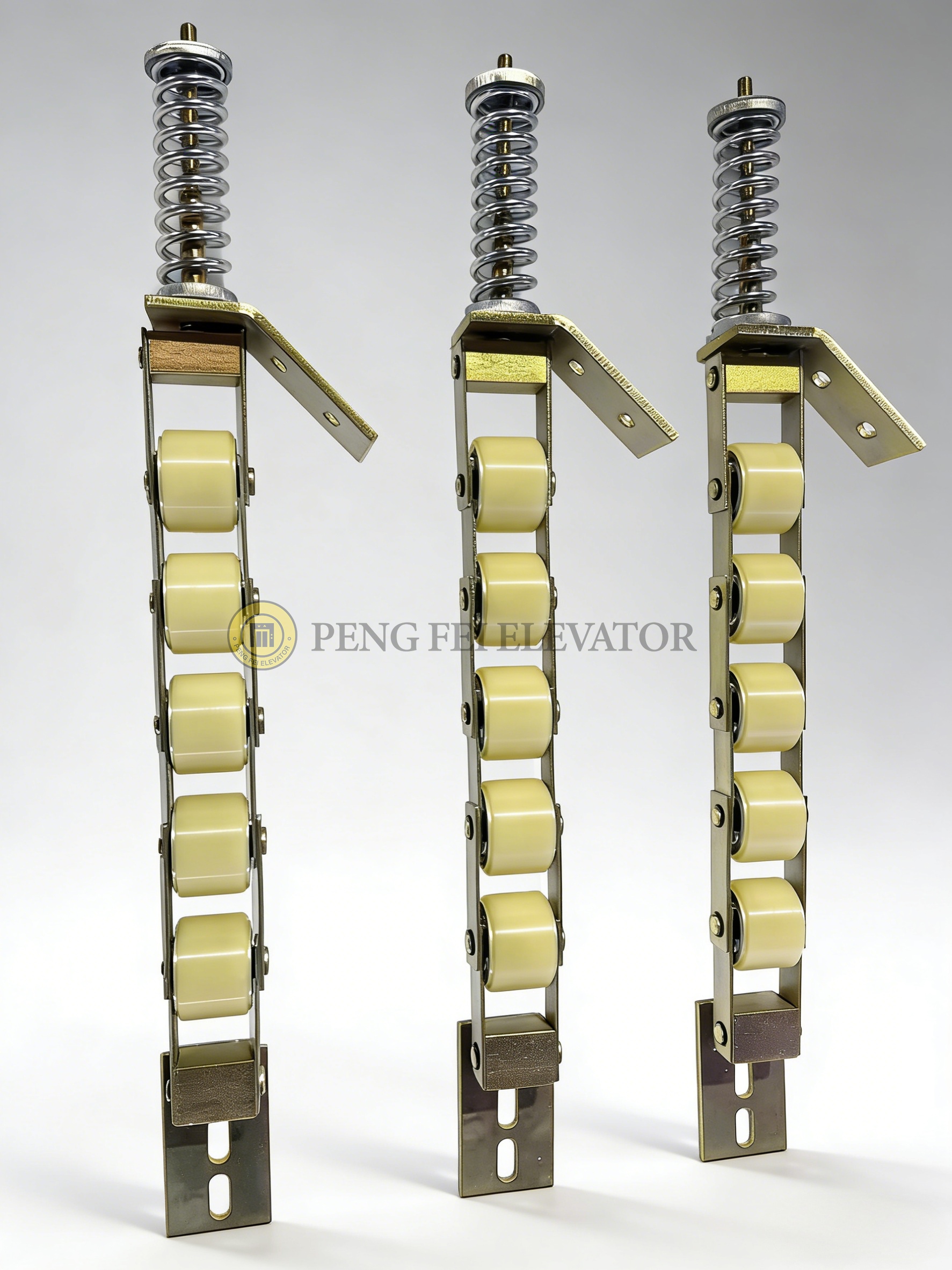
Installation Guidelines for Elevator Bracket Assemblies
The installation of structural components is a critical stage in elevator construction. Among these components, the elevator bracket assembly plays a vital role in supporting guide rails and other mechanical elements within the elevator shaft. Proper installation ensures stability, alignment, and long-term reliability.
Before installation begins, technicians must carefully review the elevator design drawings. These drawings specify the exact positions where bracket assemblies should be mounted along the shaft wall. The spacing between brackets is carefully calculated to support the weight of guide rails and other components.
The installation process usually starts with marking the mounting positions on the shaft wall. Accurate measurements are essential to ensure that all brackets align properly. Even small positioning errors can affect guide rail alignment and elevator operation.
Once the positions are marked, technicians drill holes for anchor bolts or install embedded mounting plates. The bracket assembly is then secured using high-strength bolts designed to withstand long-term mechanical stress.
After mounting the brackets, technicians verify their alignment using measuring tools and leveling equipment. Proper alignment ensures that the guide rails installed on the brackets remain straight and stable throughout the elevator shaft.
Guide rails are then mounted onto the brackets using specialized clamps or fastening systems. These connections must be tight enough to prevent movement while allowing slight adjustments during the alignment process.
Safety inspections are conducted after installation to confirm that all bolts are properly tightened and that the brackets are securely attached to the shaft structure. Any misalignment or installation errors must be corrected before the elevator system becomes operational.
Proper installation of bracket assemblies helps prevent many potential issues during elevator operation. Stable brackets reduce vibration, maintain guide rail alignment, and improve overall ride comfort.
In modern elevator construction, installation efficiency is also an important consideration. Many manufacturers design bracket assemblies with adjustable features that simplify alignment and reduce installation time.
Regular inspection and maintenance also help ensure long-term performance. Technicians check bracket assemblies during routine servicing to confirm that all fasteners remain secure and that no structural damage has occurred.
By following proper installation procedures, elevator technicians can ensure that bracket assemblies provide reliable structural support throughout the entire service life of the elevator system.
Our company specializes in the R&D, manufacturing and sales of complete elevators of various types and a full range of core components for elevators and escalators. Our products cover a wide variety of elevator equipment, including high-end villa elevators, passenger elevators, freight elevators, dumbwaiters, etc. Core components for vertical elevators include main engine shock absorbers, car shock absorbers, guide shoes, rope hitches, traction sheaves, etc. Key escalator components include comb plates, side panels, friction wheels, drive wheels, step rollers, tension chains, heavy-duty step chains, pulley assemblies, etc. We can provide one-stop supporting solutions for major elevator and escalator brands at home and abroad.