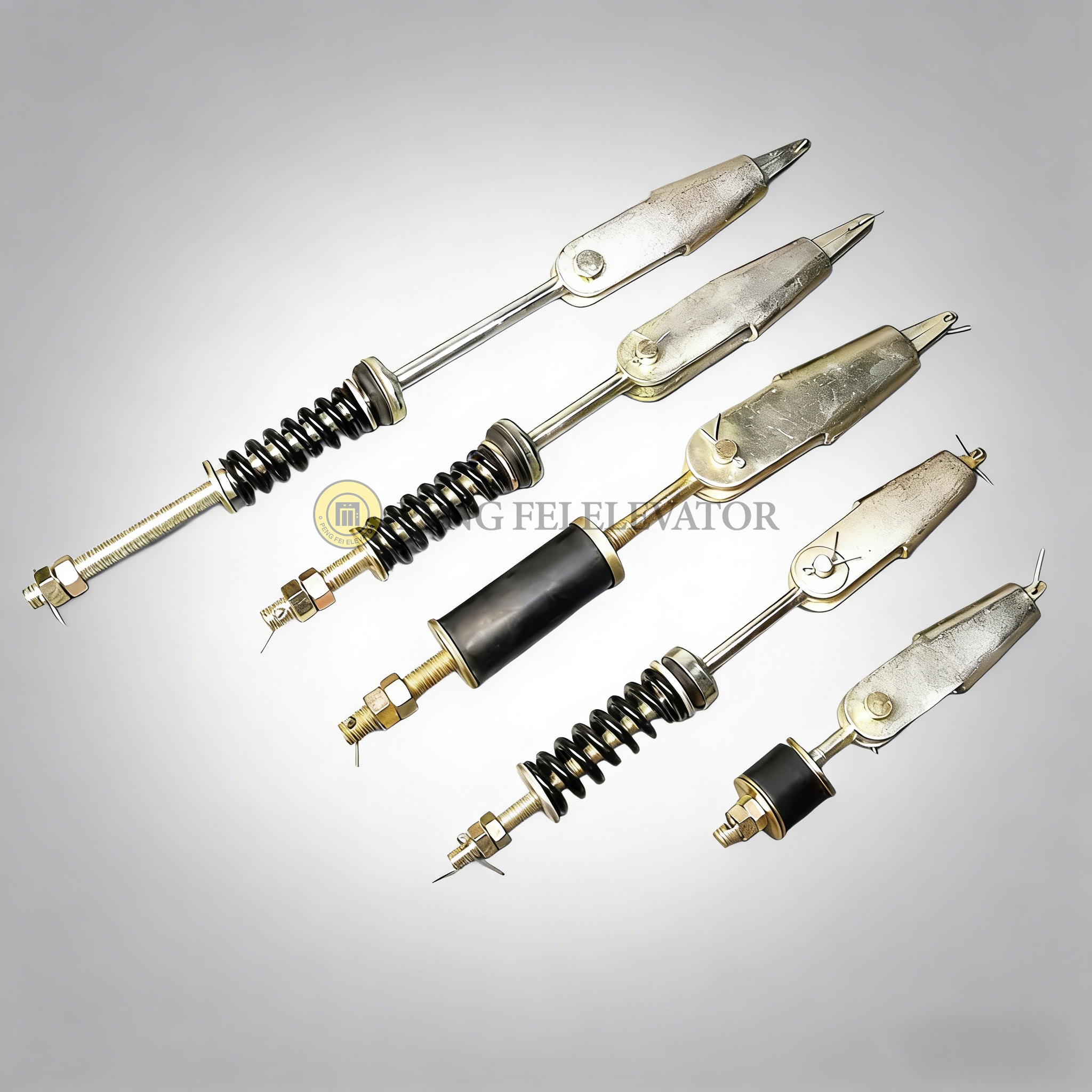
The Importance of Elevator Bracket Assemblies in Elevator Installation
Elevator systems consist of numerous structural and mechanical components that must work together precisely to ensure safe and reliable vertical transportation. Among these components, the elevator bracket assembly plays a critical role in supporting and securing many key elements of the elevator system. Although passengers rarely see these parts, bracket assemblies form an essential part of the elevator’s structural framework.
An elevator bracket assembly is typically used to mount and secure components such as guide rails, cable trays, machinery supports, and other structural elements. These brackets are installed along the elevator shaft and provide stable attachment points that keep components properly aligned throughout the entire system.
The stability of an elevator depends heavily on the strength and reliability of these brackets. Guide rails, for example, must remain perfectly aligned to allow the elevator car and counterweight to travel smoothly. The bracket assemblies hold the guide rails in position and prevent movement caused by vibration or mechanical stress. Without properly designed brackets, the guide rails could shift over time, affecting ride quality and safety.
Most elevator bracket assemblies are manufactured using high-strength steel because of its excellent load-bearing capacity and durability. Steel brackets are capable of supporting heavy mechanical loads while resisting deformation. In some specialized applications, stainless steel or corrosion-resistant alloys may be used to provide additional protection in harsh environments.
The design of a bracket assembly must take several factors into account. Engineers must consider the weight of the components being supported, the spacing between brackets, and the forces generated by elevator movement. These factors determine the size, shape, and thickness of the bracket structure.
Manufacturing precision is also very important. Brackets must be produced with accurate dimensions so that they align perfectly with mounting points in the elevator shaft. Precision drilling and machining processes are often used to ensure that bolt holes and mounting surfaces meet strict tolerances.
During installation, elevator technicians carefully position the bracket assemblies along the shaft wall. The brackets are usually secured using anchor bolts or embedded mounting systems designed to provide long-term stability. Once installed, they form a strong support structure for the entire elevator system.
Surface treatment is another important consideration. Because elevator shafts can be exposed to humidity, dust, and temperature variations, bracket assemblies are often coated with protective finishes such as galvanization or powder coating. These treatments help prevent corrosion and extend the service life of the brackets.
Maintenance teams also inspect bracket assemblies during routine elevator servicing. Although these components are designed to be highly durable, technicians still check for signs of corrosion, loose fasteners, or structural fatigue. Early detection of potential issues helps maintain system reliability.
As modern buildings continue to grow taller and more complex, the importance of structural components like elevator bracket assemblies becomes even greater. These components ensure that critical parts remain securely mounted and properly aligned throughout years of continuous elevator operation.
Although they may not receive much attention compared with motors or control systems, elevator bracket assemblies are fundamental to the safety and stability of modern elevator installations.
Our company specializes in the R&D, manufacturing and sales of complete elevators of various types and a full range of core components for elevators and escalators. Our products cover a wide variety of elevator equipment, including high-end villa elevators, passenger elevators, freight elevators, dumbwaiters, etc. Core components for vertical elevators include main engine shock absorbers, car shock absorbers, guide shoes, rope hitches, traction sheaves, etc. Key escalator components include comb plates, side panels, friction wheels, drive wheels, step rollers, tension chains, heavy-duty step chains, pulley assemblies, etc. We can provide one-stop supporting solutions for major elevator and escalator brands at home and abroad.