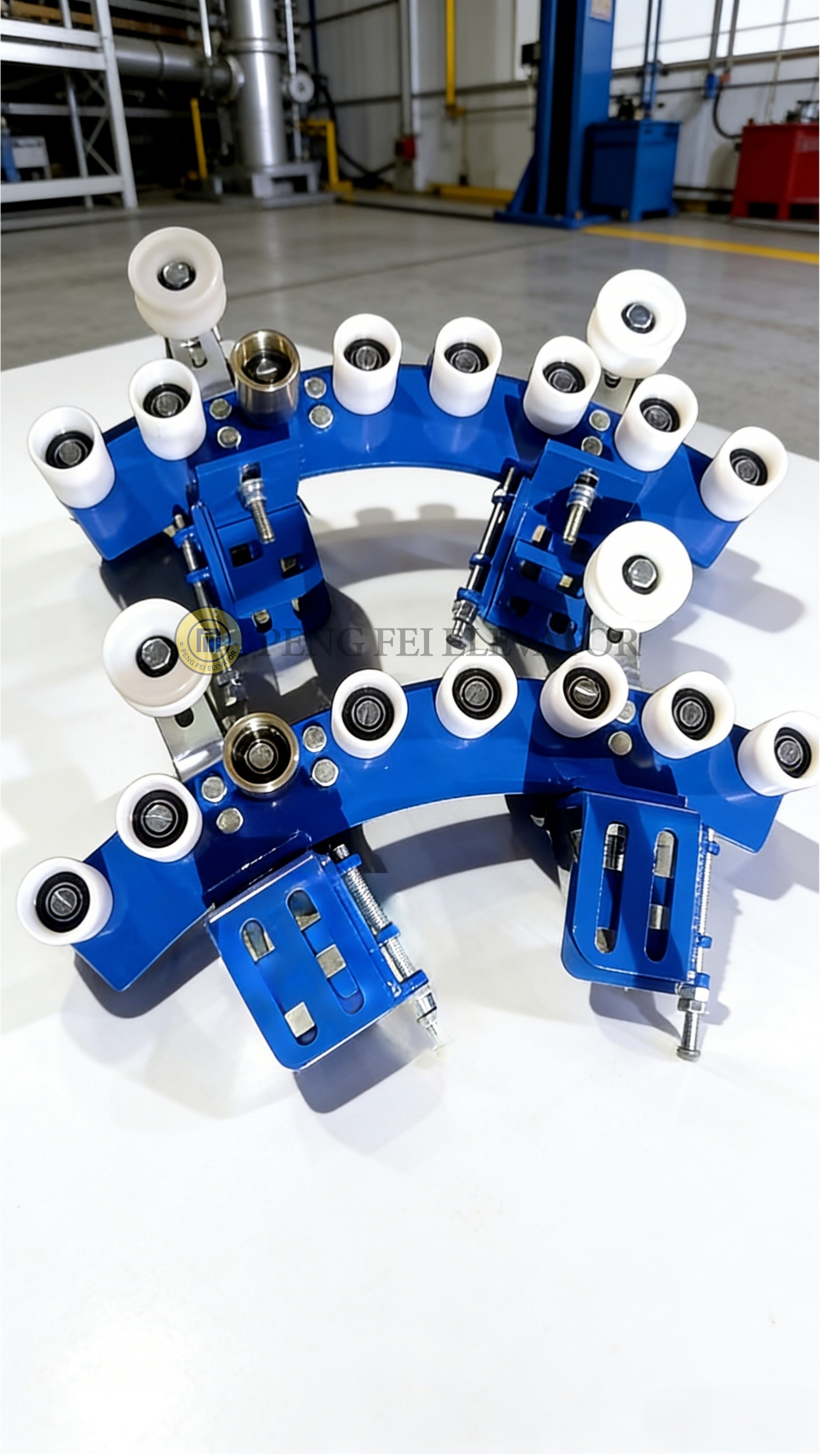
Materials and Manufacturing of Escalator Step Frames
Escalator systems rely on strong mechanical components to guarantee reliable operation over many years. One of the most important structural elements in this system is the escalator step frame, which forms the base structure of every moving step. The materials used and the manufacturing processes applied play a critical role in determining the performance, durability, and safety of these components.
The primary purpose of the step frame is to support the step tread and connect it to the roller and chain mechanism that drives the escalator. Each frame must withstand constant mechanical loads as passengers stand on the escalator steps while the system moves continuously throughout the day.
Because of these demanding conditions, manufacturers typically use high-strength steel as the main material for escalator step frames. Steel provides excellent rigidity and durability, ensuring that the frame maintains its structural integrity even after years of continuous use. In some applications, aluminum alloys may also be used to reduce overall weight while maintaining sufficient strength.
The manufacturing process of a step frame usually begins with precision metal stamping. Large sheets of steel are cut and shaped into specific structural components that will form the frame. These stamped parts are then welded together to create the complete frame structure. Precision welding ensures that each connection point remains strong and resistant to fatigue.
After welding, the frame undergoes machining and finishing processes. These steps ensure that mounting holes, roller supports, and connection points are accurately positioned. Precision is essential because even small deviations can affect step alignment and escalator performance.
Surface treatment is another key stage in step frame production. Escalators often operate in environments where humidity, dust, and temperature changes can cause corrosion. To protect the frame, manufacturers may apply galvanized coatings, powder coatings, or anti-corrosion treatments. These protective layers help extend the lifespan of the component and reduce maintenance requirements.
Quality control is extremely important in step frame manufacturing. Each frame must meet strict safety standards before being installed in an escalator system. Manufacturers conduct tests to evaluate load-bearing capacity, welding strength, and dimensional accuracy. Frames that fail to meet these standards are rejected to ensure only reliable components are used.
Another aspect that engineers consider is structural optimization. Modern step frames are designed to distribute weight evenly across the frame structure. Reinforcement ribs, support brackets, and optimized geometries improve strength without adding unnecessary weight. This approach enhances both efficiency and durability.
In recent years, manufacturing technology has continued to improve. Computer-aided design and automated welding systems allow manufacturers to produce step frames with greater precision and consistency. These technologies also make it possible to customize frames for different escalator models and configurations.
The reliability of escalator systems depends heavily on the quality of structural components like step frames. By selecting appropriate materials and applying advanced manufacturing techniques, manufacturers can produce frames that deliver long-lasting performance even in demanding environments.
Ultimately, the escalator step frame is more than just a supporting structure. It is a carefully engineered component designed to ensure stability, safety, and smooth operation in modern escalator systems around the world.
Our company specializes in the R&D, manufacturing and sales of complete elevators of various types and a full range of core components for elevators and escalators. Our products cover a wide variety of elevator equipment, including high-end villa elevators, passenger elevators, freight elevators, dumbwaiters, etc. Core components for vertical elevators include main engine shock absorbers, car shock absorbers, guide shoes, rope hitches, traction sheaves, etc. Key escalator components include comb plates, side panels, friction wheels, drive wheels, step rollers, tension chains, heavy-duty step chains, pulley assemblies, etc. We can provide one-stop supporting solutions for major elevator and escalator brands at home and abroad.