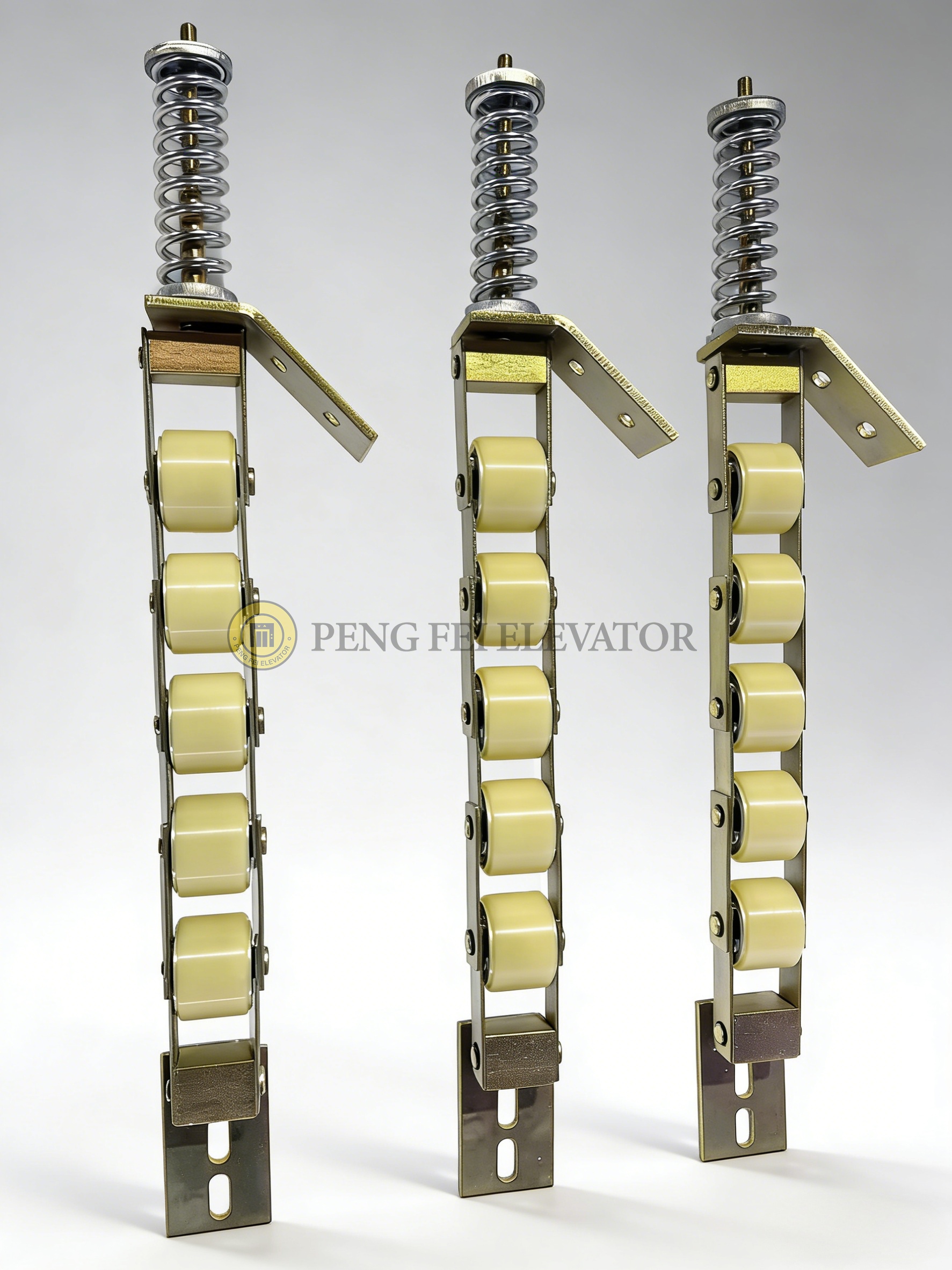
Why Elevator Buffers Are Important for Elevator Safety
Elevators are designed with multiple layers of safety protection to ensure reliable operation. Among these safety devices, the elevator buffer plays an essential role. Installed at the bottom of the elevator shaft, this component acts as the final protection mechanism if the elevator car moves beyond its normal stopping point.
Although elevators are equipped with advanced control systems and safety gears, unexpected situations may still occur. In such cases, elevator buffers provide a critical safety backup.
How Elevator Buffers Protect Elevator Systems
The main function of an elevator buffer is to absorb the kinetic energy of a moving elevator car. If the elevator travels too far downward, the buffer slows it down gradually instead of allowing a sudden stop.
This controlled deceleration helps protect important elevator components such as guide rails, traction systems, and the elevator car structure. It also prevents excessive mechanical shock that could damage the system.
Conclusion
The elevator buffer is an essential safety device that protects both passengers and elevator equipment. By absorbing impact energy and reducing shock loads, buffers ensure safer and more reliable elevator operation.
Our company specializes in the R&D, manufacturing and sales of complete elevators of various types and a full range of core components for elevators and escalators. Our products cover a wide variety of elevator equipment, including high-end villa elevators, passenger elevators, freight elevators, dumbwaiters, etc. Core components for vertical elevators include main engine shock absorbers, car shock absorbers, guide shoes, rope hitches, traction sheaves, etc. Key escalator components include comb plates, side panels, friction wheels, drive wheels, step rollers, tension chains, heavy-duty step chains, pulley assemblies, etc. We can provide one-stop supporting solutions for major elevator and escalator brands at home and abroad.